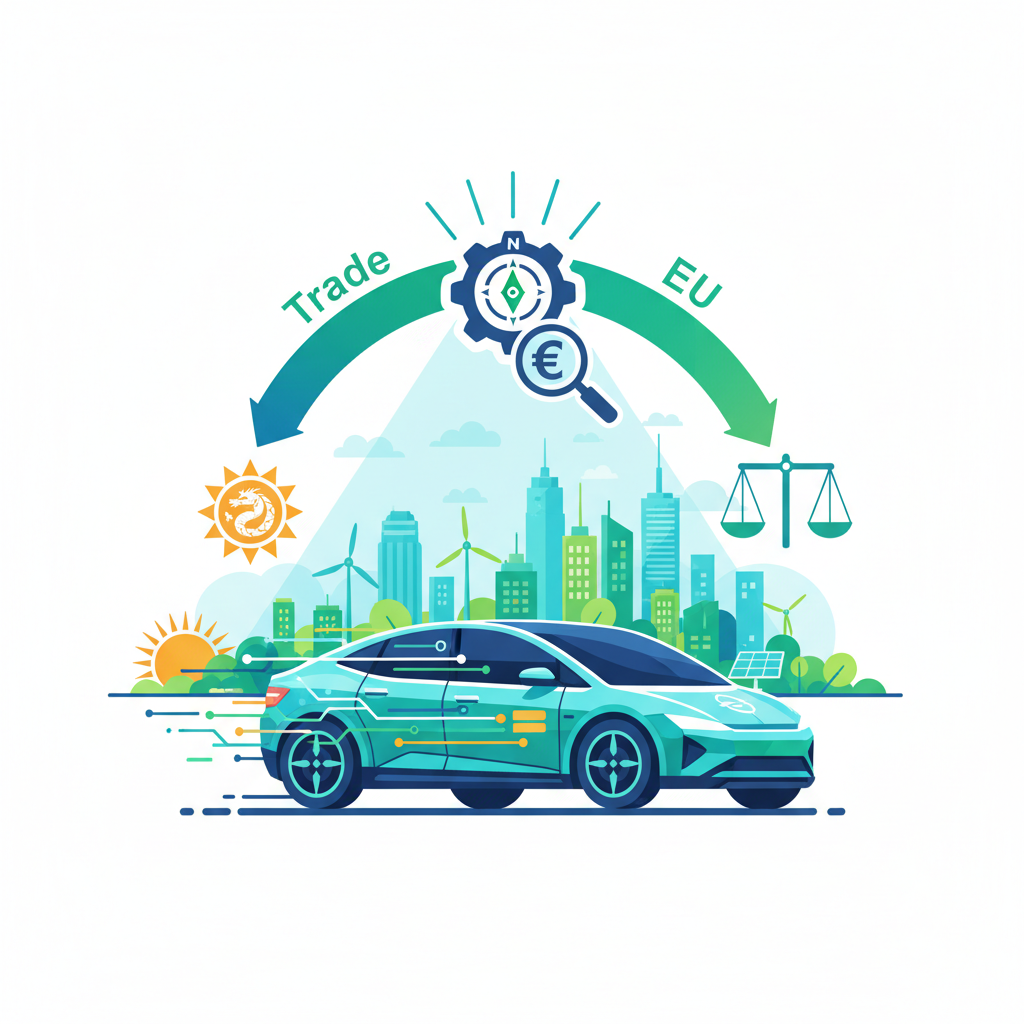
Trade, EU Launches Probe into Subsidies for Chinese EVs
The European Union has officially launched an investigation into subsidies provided by the Chinese government to electric vehicle (EV) manufacturers. This move reflects growing concerns within the EU about the potential impact of these subsidies on fair competition within the automotive market. The investigation aims to determine whether these subsidies allow Chinese EV producers to unfairly undercut European manufacturers, potentially harming the EU’s own burgeoning electric vehicle industry.
Why the Investigation?
The European Commission, the EU’s executive arm, initiated this probe after observing a significant increase in Chinese EV imports. European officials are concerned that the lower prices of these vehicles are not solely due to production efficiencies but are, in part, a result of substantial government support. This support could include direct financial grants, tax breaks, or preferential loans, giving Chinese companies an unfair advantage.
The Rise of Chinese EVs
Over the past few years, Chinese electric vehicle companies have made significant strides in technology and production capacity. With backing from the Chinese government, they have rapidly expanded their presence in the global market. While competition can drive innovation and lower prices for consumers, the EU fears that unfair subsidies could distort the market and create long-term disadvantages for European automakers. The subsidies provided by the Chinese government to electric vehicle (EV) manufacturers are viewed with skepticism.
What Does the Investigation Involve?
The EU’s investigation will involve a thorough examination of the financial relationships between Chinese EV manufacturers and the Chinese government. Investigators will seek to determine the extent and nature of any subsidies provided. This includes scrutinizing financial records, conducting interviews with industry representatives, and potentially visiting production facilities in China.
The scope of the investigation is broad, covering various aspects of the EV supply chain, from battery production to vehicle assembly. The Commission will also assess the impact of these subsidies on the European automotive industry, looking at factors such as market share, employment, and investment.
Potential Outcomes
If the investigation concludes that Chinese EV manufacturers are indeed benefiting from unfair subsidies, the EU has several options. The most likely outcome would be the imposition of anti-subsidy duties on imported Chinese EVs. These duties would increase the price of these vehicles, making them more competitive with European-made EVs.
However, such a move could also lead to retaliatory measures from China, potentially sparking a trade dispute. The EU will therefore need to carefully weigh the potential benefits of imposing duties against the risk of escalating trade tensions.
The EU’s Stance on Trade
The EU has consistently advocated for free and fair trade. It believes that competition should be based on merit, innovation, and efficiency, not on government intervention. This investigation into Chinese EV subsidies reflects the EU’s commitment to ensuring a level playing field for all market participants. Europe’s focus on **trade** practices is very relevant here.
However, the EU is also aware of the importance of maintaining good trade relations with China, its largest trading partner. Therefore, the EU is approaching this investigation with caution, seeking to address its concerns about unfair subsidies without unnecessarily disrupting the overall trade relationship.
Impact on Consumers
The outcome of this investigation could have significant implications for consumers. If anti-subsidy duties are imposed on Chinese EVs, prices could rise, potentially making electric vehicles less accessible to some buyers. On the other hand, if the EU fails to act against unfair subsidies, European automakers could struggle to compete, potentially leading to job losses and reduced innovation.
The EU hopes that by addressing the issue of subsidies, it can create a more sustainable and competitive market for electric vehicles, ultimately benefiting both consumers and producers.
Geopolitical Implications
This investigation also has broader geopolitical implications. It highlights the growing competition between Europe and China in the automotive industry, particularly in the rapidly expanding market for electric vehicles. As countries around the world transition to cleaner transportation, the competition for market share is likely to intensify.
The EU’s actions could set a precedent for other countries facing similar concerns about Chinese subsidies. It could also influence the ongoing negotiations between the EU and China on a comprehensive investment agreement.
The Importance of a Level Playing Field
Ultimately, the EU’s investigation is about ensuring a level playing field. It believes that companies should compete based on the quality of their products, not on the size of their government subsidies. By addressing unfair subsidies, the EU hopes to foster a more sustainable and competitive global market for electric vehicles.
This case underscores the complexities of international **trade** and the challenges of balancing the benefits of competition with the need to protect domestic industries from unfair practices.
The Future of Electric Vehicles
The electric vehicle market is poised for significant growth in the coming years. As governments around the world implement policies to promote electric vehicle adoption, demand is expected to surge. This investigation into Chinese EV subsidies is just one example of the challenges and opportunities that lie ahead in this rapidly evolving industry.
The EU aims to play a leading role in the electric vehicle revolution, both as a producer and a consumer. By addressing concerns about unfair subsidies and promoting fair competition, the EU hopes to create a vibrant and sustainable electric vehicle industry that benefits all stakeholders.
Staying Informed
This investigation is still ongoing, and its outcome remains uncertain. However, it is clear that the issue of Chinese EV subsidies is a significant one with potentially far-reaching consequences. Staying informed about developments in this area is crucial for understanding the future of the automotive industry and the broader global economy. Keep an eye on updates from reputable **news observation** sources for the latest information.
Want to stay updated on this developing story and its impact on the electric vehicle market? Subscribe to our newsletter for in-depth analysis and timely updates!