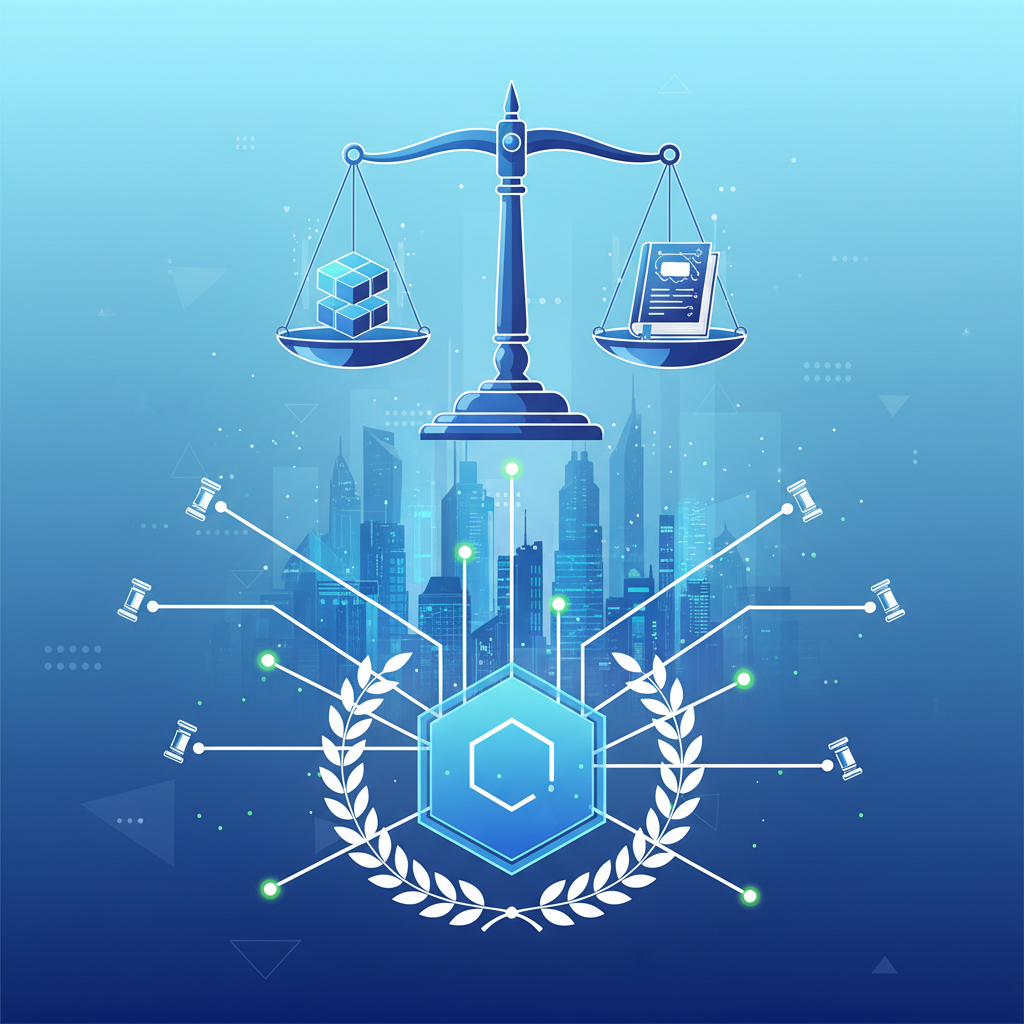
The Future of Decentralized Autonomous Organizations (DAO) Law 2026
The world of Decentralized Autonomous Organizations, or DAOs, is evolving rapidly. By 2026, we anticipate significant developments in the legal landscape surrounding these innovative entities. This article explores the potential shape of DAO law in 2026, examining key considerations and likely trends.
Understanding the Current DAO Landscape
Before diving into the future, let’s briefly recap the current situation. DAOs are, at their core, internet-native organizations governed by rules encoded in smart contracts on a blockchain. Members typically hold tokens that grant them voting rights, allowing them to participate in decision-making processes related to the DAO’s operations and treasury. However, the lack of clear legal frameworks surrounding DAOs has created uncertainty regarding liability, taxation, and regulatory oversight.
Currently, DAOs exist in a gray area legally. They aren’t neatly categorized as corporations, partnerships, or any other traditional business structure. This ambiguity has led to some DAOs attempting to incorporate in jurisdictions like Wyoming and the Marshall Islands, which have enacted specific DAO legislation. These early adopters are paving the way for wider acceptance and the need for more comprehensive legal frameworks.
Key Considerations Shaping DAO Law in 2026
Several key factors are likely to influence the development of DAO law by 2026. These include:
Liability and Accountability
One of the most pressing legal challenges for DAOs is determining liability. If a DAO takes actions that cause harm, who is responsible? Are all token holders liable, or is there a way to limit liability? Future legal frameworks will likely need to address this issue by establishing clear rules for assigning responsibility. Limited liability DAO structures, similar to Limited Liability Companies (LLCs), might become more common, offering some protection to individual members.
Taxation and Regulatory Compliance
Taxing DAOs presents another complex problem. How should DAO income be taxed? Are tokens considered securities, and therefore subject to securities regulations? The answers to these questions are still evolving. By 2026, we can expect to see greater clarity from tax authorities and regulatory bodies regarding the treatment of DAOs. This clarity is crucial for encouraging wider adoption and preventing DAOs from inadvertently violating existing laws. We can anticipate tailored guidance on income tax, capital gains tax related to token transfers, and potentially even specific regulations for DAOs operating in regulated industries.
Smart Contract Security and Audits
DAOs rely heavily on smart contracts, which are essentially lines of code that execute automatically. However, smart contracts are vulnerable to bugs and exploits, which can lead to significant financial losses. Future legal frameworks might require DAOs to undergo rigorous security audits before launching, ensuring that their smart contracts are robust and secure. Furthermore, standardized best practices for smart contract development and deployment could emerge, further reducing the risk of vulnerabilities.
Governance and Voting Rights
The governance models of DAOs vary widely. Some DAOs use a simple token-weighted voting system, while others employ more complex mechanisms, such as quadratic voting or delegated voting. Future legal frameworks might need to address issues related to fairness, transparency, and voter participation in DAO governance. Ensuring that all token holders have a meaningful opportunity to participate in decision-making is essential for maintaining the integrity and legitimacy of DAOs. Legislation could also address potential issues like vote manipulation or insider trading within DAOs.
Potential Scenarios for DAO Law in 2026
Based on these considerations, here are a few potential scenarios for DAO law in 2026:
Scenario 1: Harmonized Global Standards
In this optimistic scenario, international organizations like the United Nations or the Financial Stability Board (FSB) would develop harmonized standards for regulating DAOs. These standards would provide a consistent legal framework across different jurisdictions, making it easier for DAOs to operate globally. This scenario would require significant international cooperation, but it could unlock the full potential of DAOs by reducing legal uncertainty and fostering innovation.
Scenario 2: Jurisdictional Fragmentation
In this more likely scenario, different countries and regions would adopt their own unique approaches to regulating DAOs. Some jurisdictions might embrace DAOs and offer favorable regulatory environments, while others might take a more cautious or even hostile approach. This jurisdictional fragmentation could create a complex and challenging landscape for DAOs, requiring them to navigate a patchwork of different legal requirements. DAOs would need to carefully consider the legal implications of their activities in different jurisdictions and potentially structure themselves to comply with the most stringent regulations.
Scenario 3: Sector-Specific Regulation
This scenario envisions regulations tailored to specific sectors in which DAOs operate. For example, a DAO managing a decentralized finance (DeFi) protocol might be subject to different regulations than a DAO governing a community art project. This approach would allow regulators to address the specific risks and challenges posed by DAOs in different industries, without imposing overly broad or burdensome regulations. This targeted approach could promote innovation while ensuring appropriate consumer protection and market stability.
The Role of Technology in Shaping DAO Law
Technology itself will play a critical role in shaping DAO law. Advancements in areas like zero-knowledge proofs, on-chain identity verification, and decentralized dispute resolution could provide innovative solutions to some of the legal challenges facing DAOs. For example, zero-knowledge proofs could allow DAOs to comply with data privacy regulations without revealing sensitive information on the blockchain. On-chain identity verification could help to prevent fraud and money laundering. Decentralized dispute resolution systems could provide a more efficient and transparent way to resolve conflicts within DAOs.
The concept of using **smart contracts** themselves to enforce legal agreements is also gaining traction. Imagine a smart contract that incorporates specific clauses related to liability or dispute resolution, providing a self-executing legal framework for the DAO.
The Importance of Stakeholder Engagement
The development of DAO law should not occur in a vacuum. It’s crucial that regulators, policymakers, legal experts, and the DAO community engage in a constructive dialogue to ensure that future legal frameworks are well-informed, balanced, and supportive of innovation. Open consultations, pilot programs, and regulatory sandboxes can help to facilitate this dialogue and identify the most effective approaches to regulating DAOs.
Navigating the Emerging DAO Legal Landscape
As we approach 2026, it’s essential for anyone involved with DAOs to stay informed about the evolving legal landscape. This includes understanding the potential risks and opportunities, seeking legal advice, and actively participating in the ongoing dialogue about DAO regulation. Keeping up-to-date with the latest developments in DAO legislation is crucial for ensuring compliance and maximizing the potential of this innovative organizational form.
The Future is Decentralized, But Not Lawless
The future of DAOs is bright, but it’s important to remember that decentralization does not mean lawlessness. By developing clear, well-defined legal frameworks, we can unlock the full potential of DAOs while mitigating the risks and ensuring that these organizations operate responsibly and ethically.
Call to Action
Are you involved in a DAO, or interested in learning more about this emerging technology? Stay informed! Subscribe to our newsletter for the latest updates on DAO law and regulatory developments. Also, consider joining industry groups and participating in discussions about the future of DAO governance and regulation. Your voice matters!