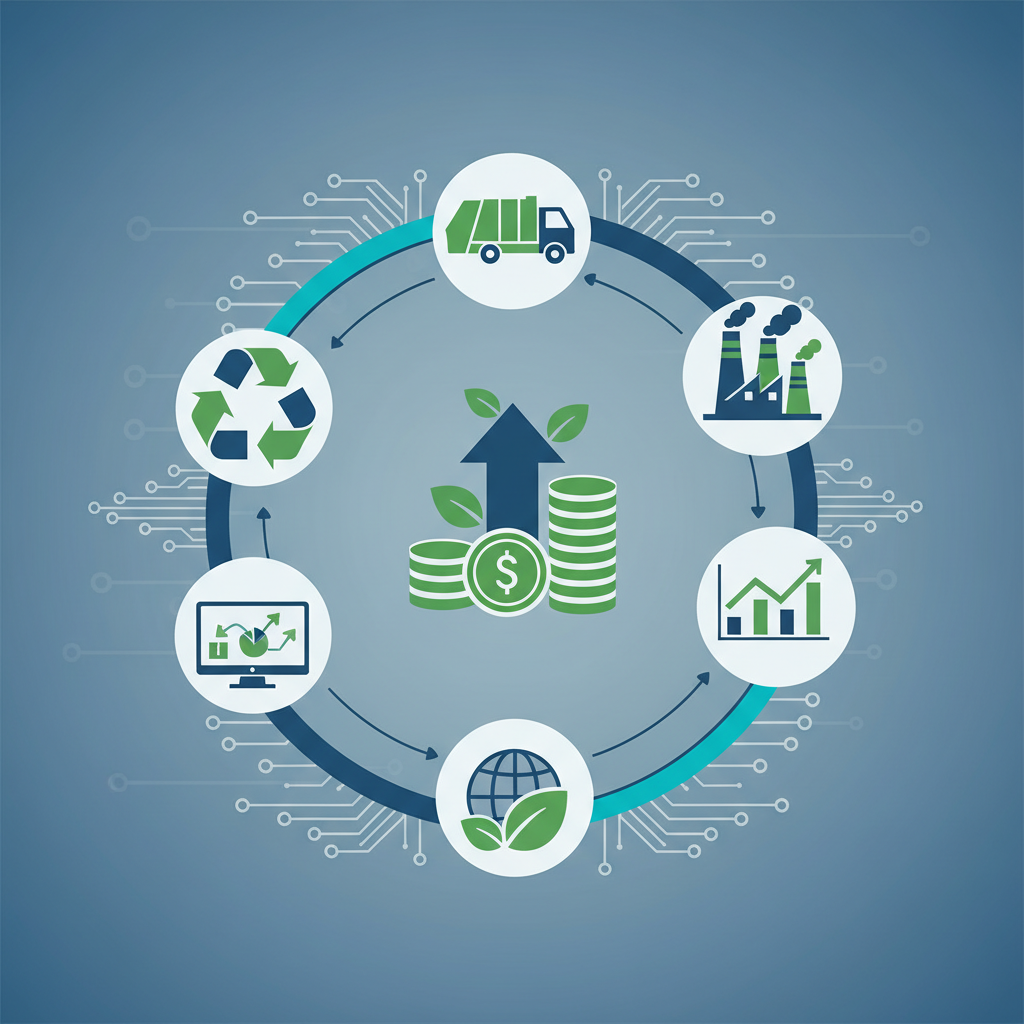
The Circular Economy Investing Guide: Waste Management and Recycling Stocks
The world is waking up to the importance of sustainability. One key aspect of this shift is the circular economy, which aims to minimize waste and maximize resource utilization. This approach is not just good for the planet; it also presents significant investment opportunities, particularly in the waste management and recycling sectors. This guide offers a practical look at investing in these areas, focusing on key trends and potential stocks.
Understanding the Circular Economy
The traditional linear economy follows a “take-make-dispose” model. In contrast, the circular economy seeks to keep resources in use for as long as possible. This involves designing products for durability, reuse, and recyclability, as well as implementing effective waste management systems to recover valuable materials. This transition is driven by growing environmental concerns, resource scarcity, and evolving consumer preferences, making it a crucial area for both businesses and investors. Effective waste management and recycling are cornerstones of this system.
Why Invest in Waste Management and Recycling?
Several factors make waste management and recycling attractive investment areas:
- Increasing Waste Generation: As populations grow and consumption patterns change, the amount of waste generated worldwide continues to rise. This creates a persistent demand for efficient and reliable waste management solutions.
- Growing Regulatory Pressure: Governments around the world are implementing stricter regulations regarding waste disposal and recycling. These regulations incentivize businesses and individuals to adopt more sustainable practices, driving growth in the recycling industry. Extended Producer Responsibility (EPR) laws, for example, are pushing companies to take greater responsibility for the end-of-life management of their products.
- Technological Advancements: Innovations in recycling technologies are improving the efficiency and effectiveness of material recovery. These advancements allow for the recycling of a wider range of materials, reducing reliance on virgin resources. We’re seeing advancements in sorting technologies using AI, chemical recycling processes that can break down plastics into their original components, and more efficient composting methods.
- Resource Scarcity and Value Recovery: As natural resources become more scarce and expensive, the value of recovered materials increases. Recycling offers a cost-effective way to obtain valuable resources, reducing dependence on mining and other environmentally damaging extraction processes. The demand for recycled materials from manufacturers looking to improve their sustainability footprint also drives value.
Key Areas Within Waste Management and Recycling
The waste management and recycling sector encompasses several distinct areas, each with its own investment profile:
- Waste Collection and Transportation: This includes companies that collect, transport, and process waste materials. These companies often operate large fleets of vehicles and manage extensive networks of transfer stations and landfills.
- Recycling and Material Recovery Facilities (MRFs): MRFs sort and process recyclable materials, preparing them for sale to manufacturers. These facilities are essential for separating different types of plastics, metals, and paper. Investment in MRFs often involves upgrading equipment to handle increasingly complex waste streams.
- Waste-to-Energy (WtE): WtE facilities convert waste into energy, typically through incineration or other thermal processes. These facilities offer a way to reduce landfill volumes and generate electricity or heat. WtE is often a controversial topic due to emissions concerns, but advancements in technology are making it cleaner and more efficient.
- Composting and Anaerobic Digestion: These processes convert organic waste into compost or biogas. Composting is a well-established technology, while anaerobic digestion is gaining popularity for its ability to produce renewable energy.
- Specialized Recycling: This includes companies that focus on recycling specific materials, such as e-waste, batteries, or construction and demolition debris. These specialized processes often require advanced technologies and specialized expertise. The growing volume of e-waste, in particular, presents a significant challenge and opportunity.
Potential Stocks to Consider (Disclaimer: This is not financial advice)
Identifying specific waste management and recycling stocks requires careful research and due diligence. However, here are some general areas and companies that investors might consider exploring (remember, past performance is not indicative of future results and consult with a financial advisor before making any investment decisions):
- Large-Cap Waste Management Companies: Companies like Waste Management (WM), Republic Services (RSG), and Clean Harbors (CLH) are established players with diversified operations and strong market positions. They offer stability and dividend potential but may have less growth potential compared to smaller, more specialized companies.
- Recycling Technology Companies: Look for companies developing innovative recycling technologies. These might include companies involved in advanced sorting, chemical recycling, or waste-to-energy solutions. Research is crucial as many of these companies are smaller and carry more risk.
- Specialty Recycling Companies: Companies focused on niche areas like e-waste recycling or battery recycling can offer significant growth potential, but also come with higher risk due to the specialized nature of their operations and the evolving regulatory landscape.
- Materials Companies focused on Circularity: Companies that are working towards making their products more recyclable and incorporating recycled materials. These companies are helping to drive the demand for recycled materials.
When evaluating waste management and recycling stocks, consider factors such as:
- Financial Performance: Analyze the company’s revenue growth, profitability, and cash flow.
- Market Position: Assess the company’s market share and competitive advantages.
- Regulatory Compliance: Ensure the company complies with all relevant environmental regulations.
- Technological Innovation: Evaluate the company’s investment in research and development and its ability to adopt new technologies.
- Sustainability Initiatives: Consider the company’s commitment to sustainability and its efforts to reduce its environmental impact.
The Risks of Investing in Waste Management and Recycling
While the waste management and recycling sector offers promising investment opportunities, it’s important to be aware of the potential risks:
- Commodity Price Volatility: The prices of recycled materials can fluctuate significantly, impacting the profitability of recycling companies.
- Regulatory Changes: Changes in environmental regulations can create uncertainty and increase compliance costs.
- Technological Disruption: New technologies could render existing recycling processes obsolete.
- Competition: The waste management and recycling industry can be highly competitive, especially in certain regions.
- Public Perception: Negative public perception of certain waste management practices, such as incineration, can impact the viability of WtE projects.
The Future of Circular Economy Investing
Investing in the circular economy, specifically in waste management and recycling stocks, is poised for continued growth. As awareness of environmental issues increases, and as technology advances, there will be more opportunities to invest in companies that are working towards a more sustainable future. The key is to do your research, understand the risks, and choose companies that are well-positioned to thrive in this evolving landscape.
Taking Action: Your Next Steps
Ready to explore the world of circular economy investing? Here’s what you can do:
- Conduct Thorough Research: Dive deeper into specific companies within the waste management and recycling sectors. Read their financial reports, analyze their business models, and assess their commitment to sustainability.
- Consult with a Financial Advisor: Seek expert advice from a qualified financial advisor who can help you assess your risk tolerance and develop an investment strategy that aligns with your goals.
- Stay Informed: Keep up-to-date with the latest news and trends in the waste management and recycling industry. Follow industry publications, attend webinars, and monitor regulatory developments.
- Consider Sustainable Investing Options: Explore socially responsible investment (SRI) funds or environmental, social, and governance (ESG) funds that focus on companies with strong environmental performance.
- Start Small: Begin with a smaller investment to test the waters and gain experience before committing a larger portion of your portfolio.
The circular economy is not just a trend; it’s a fundamental shift in how we manage resources. By investing in waste management and recycling stocks, you can contribute to a more sustainable future while potentially generating attractive returns. Start your research today and be part of the solution!