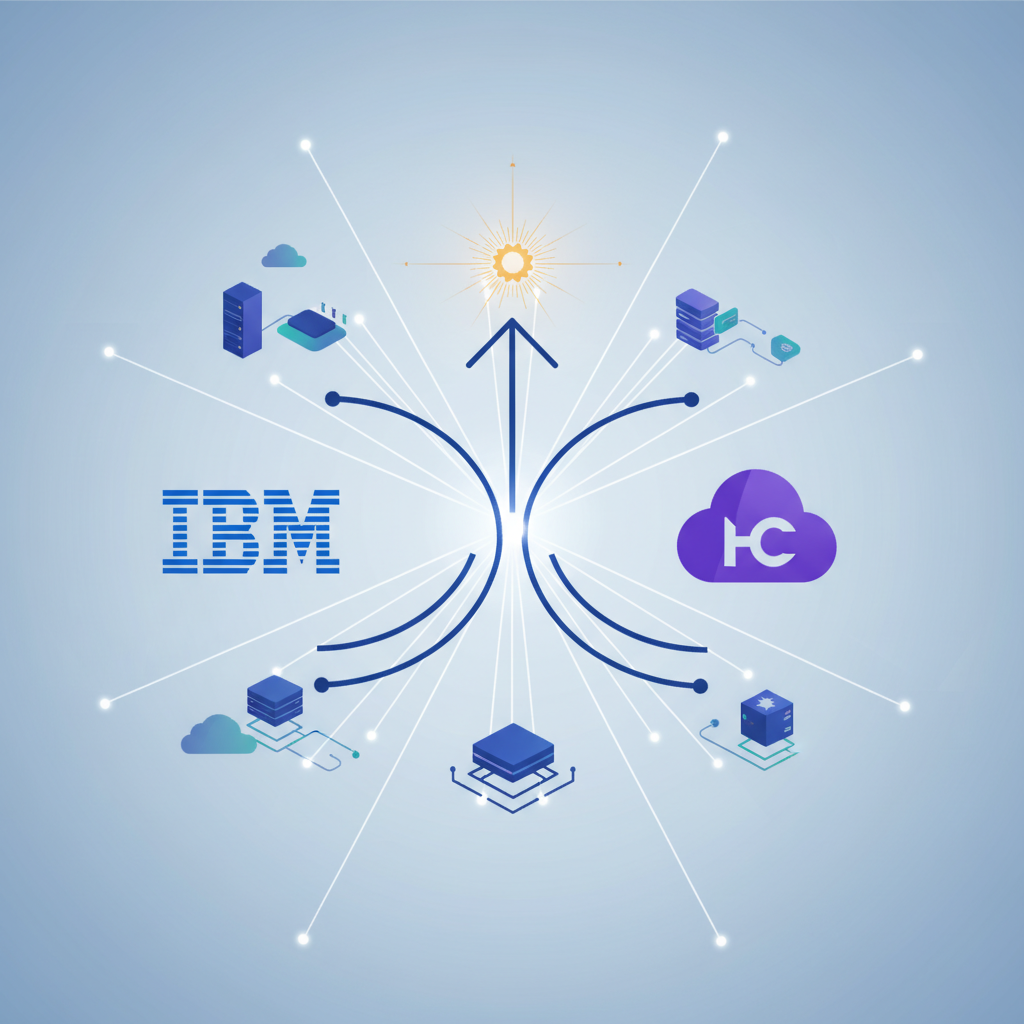
Tech, IBM Announces Acquisition of HashiCorp
In a move that signals a significant shift in the cloud infrastructure landscape, IBM has announced its acquisition of HashiCorp, a leading provider of infrastructure automation tools. This deal, while still subject to regulatory approvals and customary closing conditions, has the potential to reshape how enterprises manage their increasingly complex hybrid and multi-cloud environments.
Why HashiCorp? A Look at the Strategic Fit
HashiCorp has carved out a strong position in the DevOps and cloud infrastructure automation space with its suite of tools. These tools, including Terraform, Vault, Consul, and Packer, are widely used by organizations to manage their infrastructure as code, secure sensitive data, and automate networking and deployment processes. But what makes them so attractive to a tech giant like IBM?
Several factors likely contribute to IBM’s interest in HashiCorp:
- Expanding Cloud Capabilities: IBM has been actively working to strengthen its cloud offerings, and HashiCorp’s tools complement this strategy perfectly. By integrating HashiCorp’s solutions, IBM can provide a more comprehensive platform for managing hybrid and multi-cloud environments.
- Open Source Alignment: Both IBM and HashiCorp have a strong commitment to open source. This alignment suggests a shared vision for the future of cloud infrastructure, where open standards and community collaboration play a crucial role. IBM’s history of contributions to open source, and its stewardship of projects like Red Hat, makes it a natural fit for HashiCorp’s open source ethos.
- Addressing Complexity: As businesses adopt more cloud services, managing infrastructure becomes increasingly complex. HashiCorp’s tools simplify this process by providing a unified way to provision, secure, and manage resources across different cloud providers.
- Market Share and Growth: HashiCorp has a significant market presence and a track record of consistent growth. Acquiring the company gives IBM immediate access to a large customer base and a portfolio of proven technologies.
HashiCorp’s Key Tools and Their Significance
Let’s briefly examine some of HashiCorp’s key products and why they are valuable to IBM:
- Terraform: This infrastructure-as-code tool allows users to define and provision infrastructure resources in a declarative manner. It supports a wide range of cloud providers and on-premise environments, making it ideal for hybrid cloud deployments.
- Vault: Vault provides a secure way to manage secrets, such as passwords, API keys, and certificates. This is crucial for maintaining security in cloud environments where sensitive data is often stored and accessed.
- Consul: Consul is a service networking solution that helps organizations discover and connect services across different environments. This is essential for building microservices-based applications.
- Packer: Packer is a tool for creating machine images for different platforms. This simplifies the process of deploying applications to multiple environments.
Implications for the Cloud Infrastructure Market
The acquisition of HashiCorp by IBM has several potential implications for the cloud infrastructure market. Firstly, it could lead to increased competition among cloud providers. By offering a more comprehensive platform, IBM can potentially attract more customers to its cloud services.
Secondly, the deal could accelerate the adoption of hybrid and multi-cloud strategies. HashiCorp’s tools make it easier for organizations to manage resources across different environments, which could encourage more businesses to adopt a hybrid cloud approach.
Thirdly, it reinforces the importance of infrastructure as code. Terraform’s popularity has demonstrated the benefits of managing infrastructure in a declarative and automated way. This acquisition could further solidify infrastructure as code as a best practice for cloud deployments.
Concerns and Considerations
While the acquisition presents many potential benefits, it’s important to consider potential concerns. One key area is the future of HashiCorp’s open-source projects. The tech community will be closely watching to see how IBM integrates HashiCorp and maintains the open-source nature of these essential tools. The success of the integration will largely depend on IBM’s commitment to fostering the open-source community and ensuring that these tools remain accessible and adaptable.
Another factor is the potential impact on HashiCorp’s culture. HashiCorp has built a strong reputation for its engineering excellence and its focus on developer experience. IBM will need to ensure that it preserves these qualities as it integrates HashiCorp into its organization. The culture and innovation that HashiCorp has fostered are vital to maintaining the momentum of its technologies. An open and transparent transition is key to ensuring that the talented team at HashiCorp continues to thrive under IBM’s umbrella.
What Happens Next? Integration and the Road Ahead
The success of the acquisition will depend on how effectively IBM integrates HashiCorp’s technology and talent. IBM will need to ensure that it provides the resources and support necessary to continue the development and innovation of HashiCorp’s tools. It’s important to think about seamless integration and future advancements.
The integration roadmap will likely involve several phases. In the initial phase, IBM may focus on integrating HashiCorp’s tools with its existing cloud services. In the longer term, IBM may look to leverage HashiCorp’s technology to develop new products and services. This could lead to innovations that help to solve complex infrastructure challenges and improve efficiency for a wide range of users. The collaboration between teams from both companies can result in cutting-edge solutions that address the evolving needs of the cloud infrastructure landscape.
The Big Picture: A Changing Landscape
IBM’s acquisition of HashiCorp is a clear indication of the growing importance of cloud infrastructure automation. As businesses continue to embrace cloud computing, they will need tools that help them manage their resources more efficiently and securely. This acquisition is reflective of a broader trend towards simplified, automated, and secure cloud management.
This deal underscores the strategic value of companies like HashiCorp that are focused on addressing these challenges. The race to provide comprehensive cloud management solutions is intensifying, and IBM’s move to acquire HashiCorp is a bold step towards positioning itself as a leader in this space. By combining the strengths of both organizations, IBM aims to deliver enhanced solutions that provide significant value to its customers.
Conclusion
The acquisition of HashiCorp by IBM is a significant development in the tech world. It highlights the growing demand for cloud infrastructure automation and the strategic importance of open-source technologies. While challenges remain, the potential benefits of this acquisition are substantial. It also highlights the need for organizations to think about adapting to this acquisition in their own workflows.
The next few months will be crucial as IBM works to integrate HashiCorp’s technology and talent. The outcome of this integration will shape the future of cloud infrastructure and the way businesses manage their cloud environments.
Want to learn more about cloud infrastructure automation and how it can benefit your organization? Contact us today to schedule a consultation!