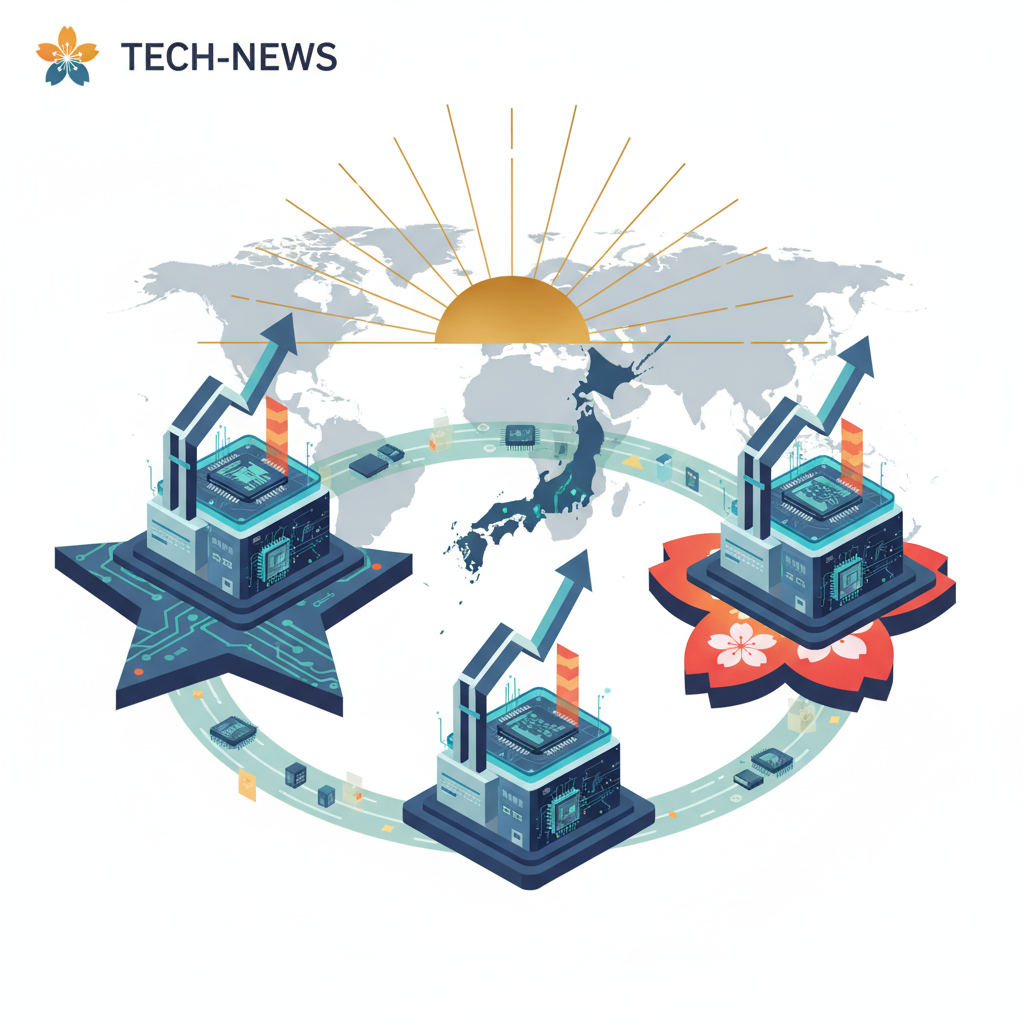
Semiconductor Regionalization: Profitability of New Plants in US, Germany, Japan
The global semiconductor industry is undergoing a significant shift. For decades, Asia, particularly Taiwan and South Korea, dominated chip manufacturing. However, recent geopolitical tensions, supply chain vulnerabilities exposed by the pandemic, and government incentives are driving a wave of **semiconductor regionalization**, with new plants popping up in the US, Germany, and Japan. The big question is: are these new endeavors profitable?
The Push for Onshoring: Why Now?
Several factors are converging to fuel this trend. National security concerns are paramount. Governments recognize the critical role semiconductors play in everything from defense systems to consumer electronics. Over-reliance on a single region for such a vital resource is seen as a strategic risk. Furthermore, the COVID-19 pandemic revealed the fragility of global supply chains. Lockdowns and disruptions highlighted the need for greater domestic capacity. Finally, governments are offering substantial incentives, including tax breaks, subsidies, and research grants, to attract semiconductor manufacturers. These **government incentives** significantly reduce the upfront costs associated with building new fabrication facilities (fabs).
The US Semiconductor Surge
The US, under initiatives like the CHIPS and Science Act, is aggressively courting semiconductor companies. Intel, TSMC, and Samsung are investing billions in new fabs in states like Arizona, Texas, and Ohio. While the long-term goal is clear – re-establishing American leadership in semiconductor manufacturing – the immediate profitability picture is complex.
Challenges in the US
One of the biggest hurdles is cost. Building and operating a fab in the US is significantly more expensive than in Asia. Higher labor costs, stricter environmental regulations, and longer permitting processes all contribute to increased expenses. Finding and training a skilled workforce is another challenge. The US semiconductor industry has suffered from talent shortages in recent years, and ramping up production requires a robust pipeline of engineers, technicians, and operators. Moreover, the US lacks the established ecosystem of suppliers and supporting industries that exists in Asia. This means companies may have to source components and materials from overseas, adding to costs and logistical complexities.
Opportunities in the US
Despite the challenges, the US also presents significant opportunities. The CHIPS Act provides substantial financial support, helping to offset some of the cost disadvantages. The domestic market is enormous, and having local production can reduce transportation costs and lead times. Furthermore, US-based fabs can potentially command a premium for their chips, particularly in sensitive sectors like defense and aerospace, where security of supply is paramount. The focus on advanced manufacturing technologies and R&D also gives US fabs an edge in producing cutting-edge chips. Companies are also investing heavily in workforce development programs to address the talent gap.
Germany: Europe’s Semiconductor Hub
Germany is emerging as a key player in Europe’s efforts to bolster its semiconductor industry. The European Union is aiming to double its share of global chip production by 2030, and Germany is at the heart of this ambition. Intel is building a massive fab in Magdeburg, and other companies are expanding their operations in the country.
Challenges in Germany
Similar to the US, Germany faces challenges related to cost and skills. Labor costs are high, and finding qualified engineers and technicians can be difficult. Energy costs are also a concern, particularly in the wake of the war in Ukraine. Furthermore, Germany’s regulatory environment can be complex and bureaucratic, which can slow down the construction and operation of new fabs. Securing stable and affordable energy supply is also a critical issue.
Opportunities in Germany
Germany benefits from a strong industrial base, a highly skilled workforce, and a strategic location in the heart of Europe. The EU is providing significant funding for semiconductor projects, and Germany is well-positioned to tap into these resources. The country also has a strong focus on research and development, which can help to drive innovation in the semiconductor industry. Furthermore, the presence of major automotive and industrial companies creates a large domestic market for chips. Germany’s existing strengths in engineering and manufacturing also provide a solid foundation for building a competitive semiconductor industry.
Japan’s Semiconductor Revival
Japan, once a dominant force in the semiconductor industry, is seeking to regain its former glory. The government is providing strong support for domestic chip manufacturing, and companies like TSMC and Micron are investing in new fabs in the country. This resurgence is strategically vital for Japan, aiming to secure its supply chain and boost its technological capabilities.
Challenges in Japan
Japan faces similar challenges to the US and Germany, including high costs and a shrinking workforce. The country also has to contend with a rapidly aging population, which can make it difficult to attract and retain talent. Overcoming decades of decline in its domestic semiconductor industry requires significant effort. Rebuilding the ecosystem and fostering a culture of innovation are crucial challenges.
Opportunities in Japan
Japan has a strong technological foundation, a history of innovation, and a highly disciplined workforce. The government is providing substantial incentives for semiconductor investment, and the country benefits from close ties with leading semiconductor companies in Taiwan and South Korea. Furthermore, Japan has a strong domestic market for chips, particularly in automotive and industrial applications. The focus on advanced materials and precision manufacturing also gives Japan a competitive edge. The country is also actively promoting collaboration between industry, academia, and government to accelerate semiconductor development.
Profitability: A Long-Term Game
The **profitability** of these new semiconductor plants in the US, Germany, and Japan is not guaranteed in the short term. Higher costs, talent shortages, and supply chain disruptions can all impact the bottom line. However, in the long term, these investments are likely to pay off. The benefits of greater supply chain security, reduced geopolitical risk, and enhanced technological capabilities are significant. The strategic importance of **semiconductors** in the modern economy ensures sustained demand.
Successfully navigating this **semiconductor regionalization** trend requires careful planning, strategic partnerships, and a long-term commitment. Companies must focus on cost optimization, workforce development, and building strong ecosystems of suppliers and supporting industries. Governments need to provide continued support and create a stable and predictable regulatory environment. With these measures in place, the new wave of semiconductor plants in the US, Germany, and Japan can be both strategically important and economically viable.
The Future of Semiconductors is Regionalized
While true self-sufficiency may be unattainable, a more geographically diverse semiconductor landscape reduces systemic risks. The initial costs might be high, but the long-term benefits for national security and economic resilience are undeniable.
What are your thoughts on the ongoing semiconductor regionalization? Share your opinion in the comments below! Are you an investor looking to capitalize on this trend? Contact us for a free consultation on the best investment opportunities in the semiconductor sector. Stay informed by subscribing to our newsletter for the latest updates on semiconductor technology and industry trends!