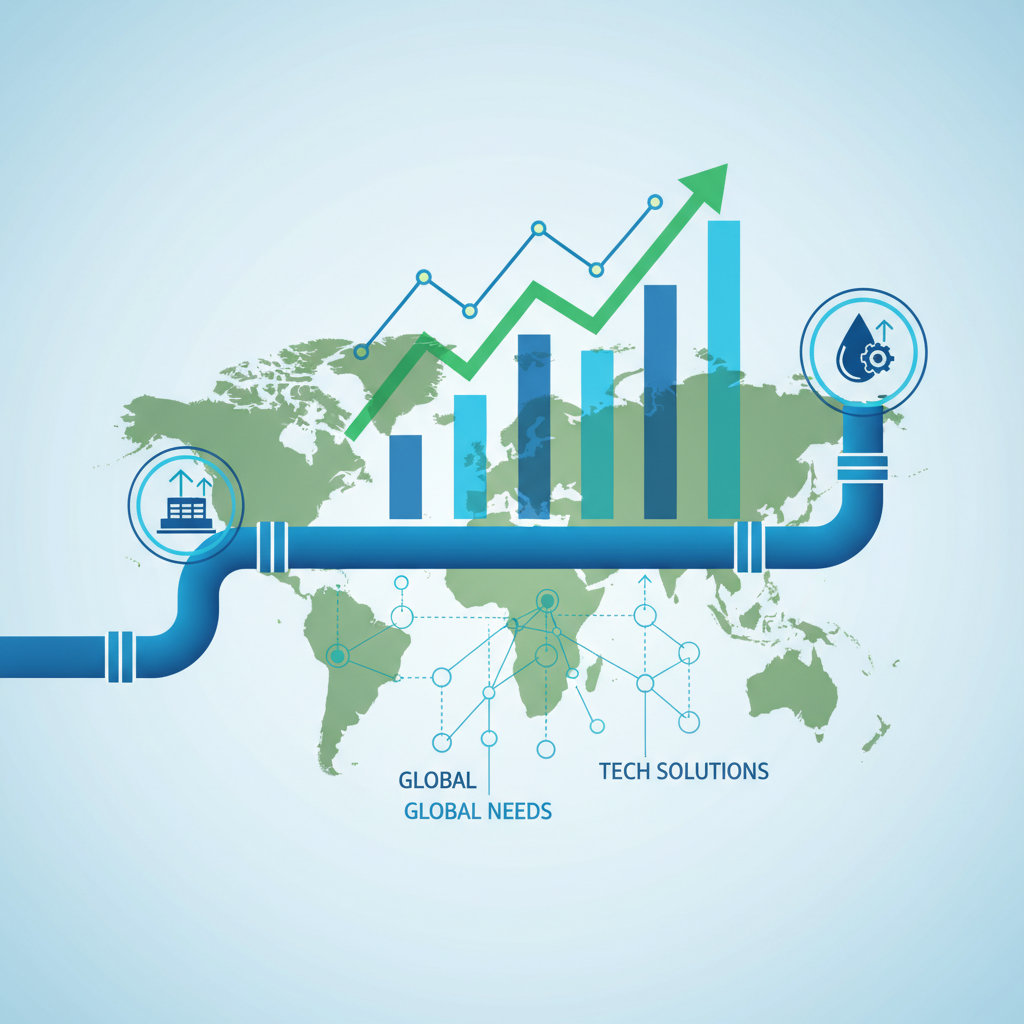
Investing in Water Infrastructure: Addressing Global Pipe and Treatment Needs
Access to clean and safe water is a fundamental human right, yet billions worldwide lack this essential resource. A critical component of ensuring water security lies in investing in robust and modern water infrastructure. This includes everything from the pipes that deliver water to our homes to the treatment plants that ensure its purity. This news observation piece explores the urgent need for increased investment in water infrastructure, focusing on the global challenges and potential solutions.
The Global Water Crisis: A Looming Threat
The statistics paint a stark picture. According to the World Health Organization (WHO), billions of people lack access to safe drinking water and sanitation. This scarcity is exacerbated by factors like climate change, population growth, and urbanization, placing immense strain on existing water infrastructure. Deteriorating pipes, outdated treatment facilities, and inadequate stormwater management systems contribute to water loss, contamination, and increased risk of waterborne diseases.
Many developed nations are also facing a reckoning. Years of underinvestment have resulted in aging infrastructure that is prone to leaks, breaks, and inefficiencies. The consequences are significant, ranging from costly repairs and disruptions to public health risks and environmental damage.
The State of Global Water Infrastructure: A Patchwork of Problems
Across the globe, the challenges are diverse, but some common themes emerge:
Leaking and Aging Pipes
A significant portion of treated water is lost through leaks in aging pipe networks. In some cities, this loss can exceed 50%, representing a massive waste of resources and financial investment. Replacing these pipes is a complex and expensive undertaking, often requiring extensive excavation and disruption.
Insufficient Treatment Capacity
Many existing water treatment plants are operating at or near their maximum capacity, struggling to keep pace with increasing demand. Furthermore, many plants are using outdated technologies that are not effective at removing emerging contaminants, such as pharmaceuticals and microplastics. Modernizing treatment processes is crucial to ensure the safety and quality of drinking water.
Inadequate Stormwater Management
Extreme weather events, such as heavy rainfall and flooding, can overwhelm existing stormwater management systems, leading to sewage overflows and contamination of water sources. Investing in green infrastructure solutions, such as rain gardens and permeable pavements, can help mitigate these risks and improve water quality.
Lack of Investment and Maintenance
A recurring theme across many regions is the lack of sufficient investment in water infrastructure maintenance and upgrades. This underfunding leads to deferred maintenance, accelerated deterioration, and ultimately, higher costs in the long run. Prioritizing long-term planning and sustainable financing mechanisms is essential.
Investing in Solutions: A Path Forward
Addressing these challenges requires a multi-faceted approach, including increased investment, technological innovation, and policy reforms.
Prioritizing Infrastructure Investment
Governments at all levels must prioritize investment in water infrastructure. This includes allocating sufficient funding for upgrades, repairs, and new construction. Public-private partnerships can also play a crucial role in mobilizing private capital and expertise.
Embracing Technological Innovation
New technologies are emerging that can significantly improve the efficiency and effectiveness of water infrastructure. These include:
- Smart Water Meters: Provide real-time data on water consumption and leakage, enabling utilities to identify and address problems quickly.
- Advanced Treatment Technologies: Offer more efficient and effective removal of contaminants, including microplastics and pharmaceuticals.
- Leak Detection Systems: Use sensors and data analytics to detect and pinpoint leaks in pipe networks, reducing water loss.
- AI-Powered Optimization: Optimize water treatment processes, reduce energy consumption, and improve overall efficiency.
Strengthening Regulations and Policies
Governments need to strengthen regulations and policies to protect water resources and ensure the sustainability of water infrastructure. This includes implementing stricter water quality standards, promoting water conservation measures, and incentivizing the adoption of innovative technologies.
Focus on Sustainable and Resilient Infrastructure
Future water infrastructure projects must prioritize sustainability and resilience. This means designing systems that are energy-efficient, minimize environmental impact, and are able to withstand the impacts of climate change. Integrating green infrastructure solutions is crucial for enhancing resilience and improving water quality.
The Role of Technology in Enhancing Water Infrastructure
The infusion of technology into water treatment and distribution systems presents significant opportunities for improvement. For instance, advanced sensors embedded in pipelines can detect leaks and corrosion early, preventing catastrophic failures. Similarly, sophisticated data analytics can optimize water flow, reduce energy consumption, and predict future infrastructure needs, enabling proactive maintenance rather than reactive repairs.
Furthermore, the adoption of smart water grids can improve water management and conservation. These grids use sensors, meters, and communication networks to collect and analyze data on water usage, pressure, and flow, enabling utilities to identify and address inefficiencies, reduce water loss, and improve customer service.
Financing Water Infrastructure Projects
Securing adequate funding for water infrastructure projects is a major challenge. Traditional funding sources, such as government bonds and grants, are often insufficient to meet the growing demand. Innovative financing mechanisms, such as public-private partnerships (PPPs), green bonds, and water tariffs, can help bridge the funding gap. These mechanisms allow for the mobilization of private capital, the sharing of risks and rewards, and the alignment of incentives between public and private stakeholders. Effectively structuring these partnerships is essential for long-term success and ensuring affordability for consumers.
Community Engagement and Awareness
Investing in global pipe networks and water infrastructure is not just about technology and finance; it’s also about people. Effective community engagement is essential for building support for infrastructure projects and promoting water conservation. Raising awareness about the importance of clean water, the challenges facing water infrastructure, and the benefits of investing in solutions can help foster a sense of shared responsibility and encourage behavioral changes that contribute to water sustainability.
By engaging communities in the planning and decision-making processes, utilities can ensure that infrastructure projects are responsive to local needs and priorities. Furthermore, by providing education and outreach programs, utilities can empower communities to conserve water, reduce pollution, and protect water resources.
Conclusion: Securing Our Water Future
Investing in water infrastructure is not merely an economic imperative; it is a moral obligation. By ensuring access to clean and safe water for all, we can improve public health, protect the environment, and promote sustainable development. Addressing global pipe and treatment needs requires a concerted effort from governments, businesses, and individuals.
The time to act is now. We must prioritize investment, embrace innovation, and strengthen regulations to secure our water future and ensure that future generations have access to this essential resource.
Call to Action
Here’s how you can contribute to addressing the global water crisis:
- Support policies that prioritize water infrastructure investment. Contact your elected officials and urge them to support funding for upgrades, repairs, and new construction.
- Conserve water in your daily life. Simple actions like fixing leaks, taking shorter showers, and using water-efficient appliances can make a big difference.
- Educate yourself and others about the importance of clean water. Share this article and other resources with your friends, family, and colleagues.
- Support organizations working to improve water access and quality. Donate your time or money to reputable charities and NGOs.
Together, we can make a difference in ensuring a sustainable water future for all.