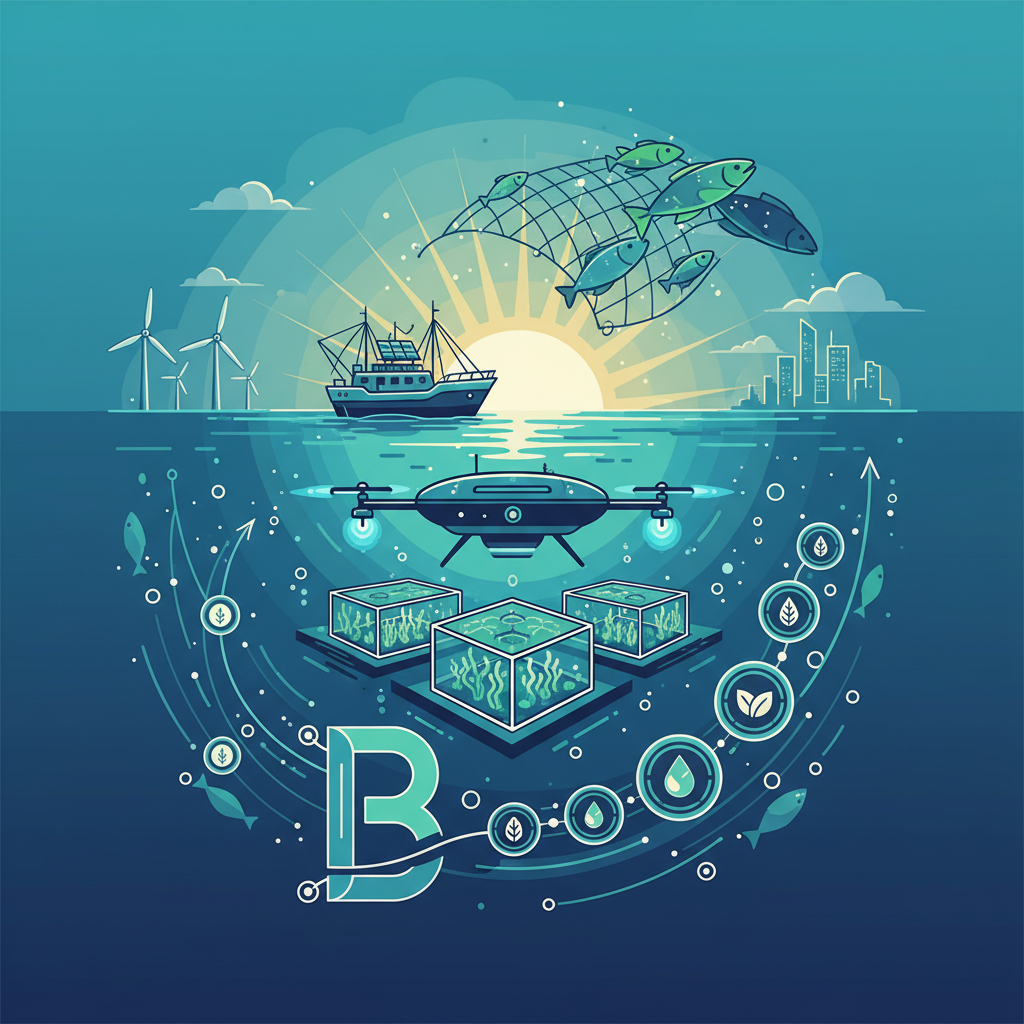
Investing in Ocean Tech: Blue Bonds and Sustainable Fishing 2026
The health of our oceans is crucial, not just for marine life, but for the entire planet. As we move closer to 2026, the focus on sustainable practices and innovative technologies in the ocean economy is intensifying. Two key instruments driving this change are **blue bonds** and advancements in **sustainable fishing** techniques.
The Rise of Blue Bonds: Financing a Sustainable Ocean Economy
**Blue bonds** are a relatively new type of debt instrument specifically designed to finance projects that benefit the ocean. They operate much like traditional green bonds, but the proceeds are earmarked for initiatives aimed at improving ocean health and promoting sustainable economic activities related to the ocean. This includes areas such as:
- **Sustainable aquaculture:** Funding projects that promote responsible fish farming practices and reduce the environmental impact of aquaculture.
- **Renewable energy:** Supporting the development of offshore wind, wave, and tidal energy projects.
- **Marine conservation:** Investing in the protection and restoration of marine ecosystems, such as coral reefs and mangrove forests.
- **Sustainable tourism:** Encouraging responsible tourism practices that minimize environmental damage and benefit local communities.
- **Pollution reduction:** Financing projects that aim to reduce plastic pollution and other forms of marine pollution.
Several countries and organizations have already issued **blue bonds**, including the Seychelles, Indonesia, and the World Bank. These issuances are attracting investors who are increasingly interested in environmental, social, and governance (ESG) factors. The interest stems from a growing awareness of the importance of ocean health and the potential for **blue bonds** to deliver both financial returns and positive environmental and social impact.
Challenges and Opportunities
While the **blue bond** market is growing, it still faces challenges. These include the need for standardized frameworks for evaluating the environmental impact of projects financed by **blue bonds** and ensuring transparency and accountability in the use of proceeds. Another challenge is the perceived risk associated with investing in emerging markets, where many ocean-related projects are located.
However, the opportunities are significant. As awareness of the importance of ocean health grows, demand for **blue bonds** is likely to increase. This will create more opportunities for countries and organizations to finance sustainable ocean projects and attract private sector investment.
Sustainable Fishing: Embracing Technology and Responsible Practices
**Sustainable fishing** is critical to ensuring the long-term health of our oceans and the livelihoods of communities that depend on them. Overfishing, destructive fishing practices, and illegal, unreported, and unregulated (IUU) fishing are major threats to marine ecosystems. Addressing these challenges requires a combination of technological innovation, responsible management practices, and international cooperation.
Here are some key areas of focus in **sustainable fishing**:
- **Improved fisheries management:** Implementing science-based catch limits, reducing bycatch, and protecting critical habitats.
- **Technological innovation:** Developing and deploying technologies that reduce the environmental impact of fishing, such as precision fishing gear, electronic monitoring systems, and blockchain-based traceability systems.
- **Combating IUU fishing:** Strengthening enforcement mechanisms, promoting transparency in the fishing industry, and working with international partners to combat illegal fishing activities.
- **Aquaculture advancements:** Improving aquaculture practices to reduce environmental impacts and increase efficiency, focusing on closed-containment systems and alternative feeds.
Technology at the Forefront
Technology plays a vital role in promoting **sustainable fishing**. For example, electronic monitoring systems can track fishing vessel activity and ensure compliance with regulations. These systems often use cameras, sensors, and GPS technology to monitor catches, fishing gear deployment, and vessel location. Data collected by these systems can be used to improve fisheries management and combat IUU fishing.
Another promising technology is blockchain. Blockchain-based traceability systems can track seafood products from the point of capture to the consumer, providing greater transparency and accountability in the supply chain. This can help to combat fraud and mislabeling, and ensure that seafood products are harvested sustainably.
Precision fishing gear is another innovation that can reduce the environmental impact of fishing. This type of gear uses sensors and other technologies to target specific species and minimize bycatch. This can help to protect vulnerable species and reduce damage to marine habitats.
The Intersection: Blue Bonds and Sustainable Fishing
**Blue bonds** can play a crucial role in financing projects that promote **sustainable fishing**. For example, **blue bonds** can be used to fund the development and deployment of electronic monitoring systems, the implementation of improved fisheries management practices, and the development of sustainable aquaculture facilities. By channeling capital towards these initiatives, **blue bonds** can help to create a more sustainable and resilient ocean economy.
In 2026, we anticipate a greater convergence of these two forces. Expect to see **blue bonds** increasingly tied to verifiable **sustainable fishing** outcomes. Impact investing, a field dedicated to investments generating social and environmental benefits alongside financial returns, will likely play a significant role.
Challenges Remain
Scaling up **sustainable fishing** and maximizing the impact of **blue bonds** requires addressing several challenges. This includes the need for greater collaboration between governments, industry, and civil society organizations. It also requires addressing issues such as poverty and food security, which can drive unsustainable fishing practices. Furthermore, ongoing monitoring and rigorous scientific assessments are crucial to ensure that both the investments and the fishing practices truly contribute to ocean health.
Looking Ahead to 2026
As we approach 2026, the future of the ocean economy hinges on our ability to embrace **sustainable** practices and innovative technologies. **Blue bonds** and advancements in **sustainable fishing** are essential tools for achieving this goal. By investing in these areas, we can protect our oceans, support sustainable livelihoods, and ensure a healthy planet for future generations.
The convergence of finance and responsible ocean stewardship is not just a trend, but a necessity. The decisions made today will shape the future of our oceans and the planet for years to come.
Call to Action
What can you do to support a sustainable ocean economy?
- **Learn more:** Educate yourself about the challenges facing our oceans and the solutions that are available.
- **Support sustainable businesses:** Choose seafood products that are certified as sustainable and patronize businesses that are committed to environmental responsibility.
- **Advocate for change:** Contact your elected officials and urge them to support policies that promote ocean conservation and sustainable fishing.
- **Invest responsibly:** Consider investing in **blue bonds** or other sustainable ocean-related investments.
- **Reduce your plastic consumption:** Minimize your use of single-use plastics and properly dispose of plastic waste to prevent it from entering the ocean.
Together, we can make a difference. Let’s work together to create a healthy and sustainable ocean for future generations.