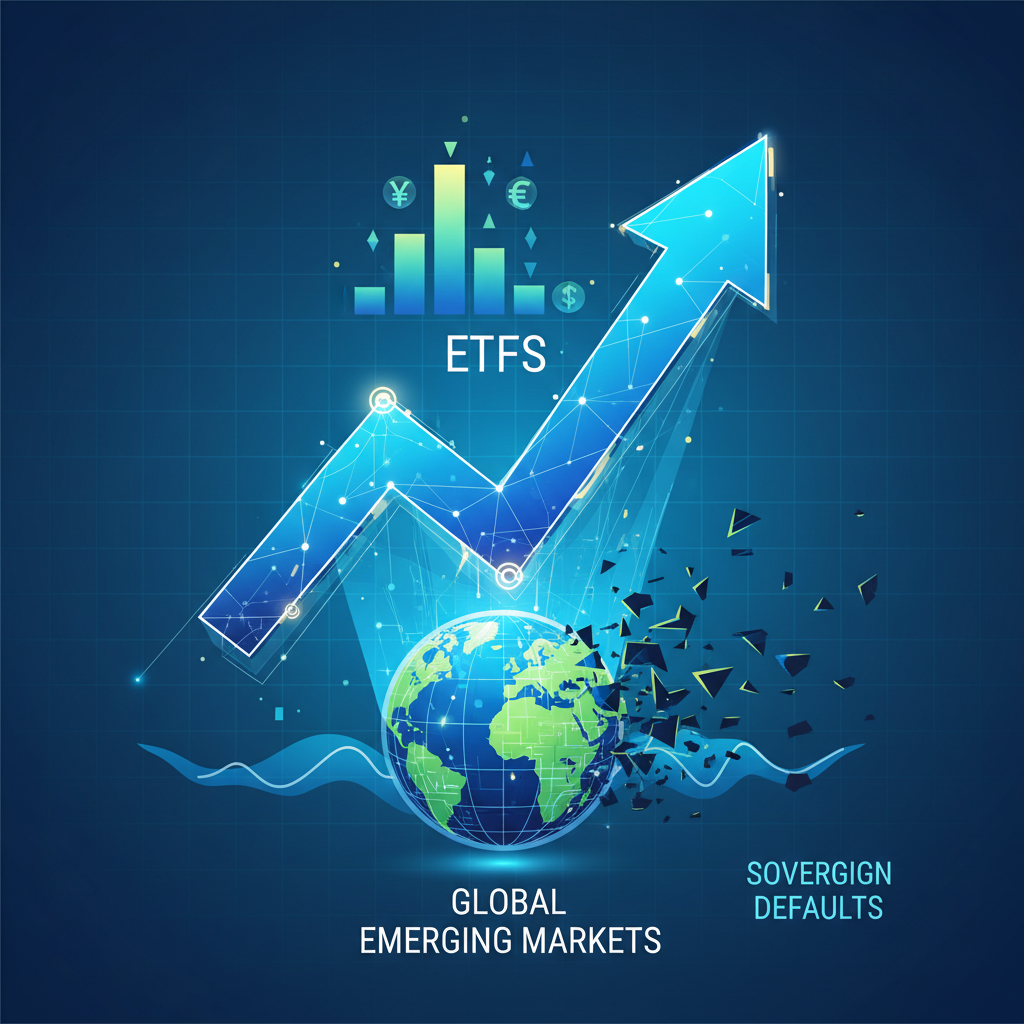
Impact of Sovereign Defaults on Global Emerging Markets ETFs
Emerging markets (EMs) offer investors potential for high growth, but also come with increased risks compared to developed economies. One of the most significant of these risks is sovereign default, where a government fails to meet its debt obligations. This can have a substantial impact on Global Emerging Markets ETFs, which pool investments across numerous countries.
Understanding Sovereign Defaults
A sovereign default occurs when a nation is unable or unwilling to pay its debts. This can stem from a variety of factors, including economic mismanagement, political instability, external shocks like commodity price crashes, or unsustainable debt levels. When a country defaults, it can trigger a cascade of negative consequences, affecting its economy, its relationship with international lenders, and investor confidence.
Sovereign defaults are not uncommon in emerging markets. Argentina, Ecuador, and Venezuela are just a few examples of countries that have recently experienced or are currently experiencing debt distress. The impact of these defaults is often felt beyond the borders of the defaulting nation, affecting regional and global financial markets.
How Defaults Impact Emerging Market ETFs
Global Emerging Markets ETFs offer diversified exposure to equities in developing nations. These ETFs are designed to provide investors with a convenient way to participate in the growth potential of EMs. However, the diversified nature doesn’t fully insulate them from the risks associated with sovereign defaults.
Here’s how a sovereign default can impact these ETFs:
- Direct Impact: ETFs that hold securities issued by the defaulting government or companies heavily reliant on that government will likely experience a direct hit. The value of these assets can plummet, reducing the overall net asset value (NAV) of the ETF.
- Contagion Effect: Default events can create fear and uncertainty in the market. Investors may become more risk-averse and sell off assets in other emerging markets, even those with strong fundamentals. This “contagion effect” can lead to broad declines in the value of EM ETFs, even if the default is confined to a single country. Understanding the interconnectedness of global markets and the potential for ripple effects is crucial.
- Currency Devaluation: Sovereign defaults often lead to sharp currency devaluations in the affected country. This can erode the returns of ETFs for international investors, as the value of the assets held in the local currency declines when converted back to their home currency.
- Increased Risk Premia: Following a default, investors typically demand higher risk premia (increased returns for taking on more risk) for investing in emerging markets. This can lead to lower valuations for EM equities and reduced inflows into EM ETFs.
Assessing the Risk
Investors in Global Emerging Markets ETFs need to carefully assess the risk of sovereign defaults and their potential impact on their portfolios. Here are some factors to consider:
- ETF Composition: Understand the geographical allocation of your ETF. Is it heavily concentrated in countries with a high risk of default? Look at the top holdings to see which companies are most exposed.
- Country-Specific Risks: Research the economic and political stability of the countries included in your ETF. Monitor key indicators such as debt-to-GDP ratio, current account balance, and political risk scores.
- Due Diligence: Don’t rely solely on the ETF provider’s information. Do your own research on the underlying assets and the potential risks.
- Diversification: While EM ETFs offer diversification across multiple countries, consider diversifying your overall portfolio across different asset classes and geographies to mitigate risk.
- Active Management vs. Passive Management: Actively managed EM ETFs may be able to adjust their holdings to reduce exposure to countries at high risk of default, while passively managed ETFs typically track an index and may not have the flexibility to do so.
Using Credit Default Swaps (CDS)
One tool used to gauge sovereign risk is Credit Default Swaps (CDS). CDS are financial contracts that provide insurance against the risk of a sovereign default. Higher CDS spreads indicate a greater perceived risk of default, signaling potential trouble ahead. Tracking CDS spreads for the countries in your EM ETF can provide valuable insights into potential risks. Keep in mind, however, that CDS spreads are not perfect predictors and can be influenced by market sentiment and speculation.
Strategies for Mitigation
While sovereign defaults can pose a risk, there are strategies investors can use to mitigate their impact on their EM ETF investments:
- Diversification within EMs: Choose ETFs that offer broad diversification across numerous emerging markets, reducing the impact of a default in any single country.
- Active Management: Consider actively managed EM ETFs that have the flexibility to reduce exposure to high-risk countries and invest in more stable markets.
- Hedging Strategies: Explore using currency hedging strategies to mitigate the impact of currency devaluations following a default. However, be aware that hedging can also add to the overall cost of investment.
- Regular Monitoring: Stay informed about the economic and political developments in the countries represented in your EM ETFs and adjust your portfolio accordingly.
The Long-Term Perspective
Despite the risks associated with sovereign defaults, emerging markets continue to offer significant growth potential for long-term investors. Understanding the risks, carefully assessing your risk tolerance, and implementing appropriate mitigation strategies can help you navigate the challenges and potentially reap the rewards of investing in Global Emerging Markets ETFs. Consider the long-term benefits of investing in growing economies, and balance that with potential short-term volatility due to sovereign debt issues. Remember that emerging markets are by nature more volatile, and a long-term investment horizon is often necessary to weather periods of instability.
The key is not to avoid EMs altogether, but rather to approach them with a well-informed and disciplined investment strategy.
Important Considerations Regarding Past Performance: Past performance is never a guarantee of future results. EM markets can fluctuate significantly and rapidly. Seek personalized financial advice from a qualified professional before making investment decisions.
Conclusion
Sovereign defaults are a real risk for investors in Global Emerging Markets ETFs. While diversification helps, it doesn’t eliminate the danger entirely. By understanding the potential impact, assessing the risks, and implementing appropriate mitigation strategies, investors can better protect their portfolios and potentially benefit from the long-term growth potential of emerging markets. Always stay informed and regularly review your investment strategy in light of changing economic and political conditions.
Ready to take control of your EM ETF investments? Start by reviewing the geographical allocation of your ETFs today! Research the economic and political stability of the countries you’re invested in, and consult with a financial advisor to ensure your portfolio aligns with your risk tolerance and long-term goals. Don’t wait – knowledge is your best defense against the impact of sovereign defaults.