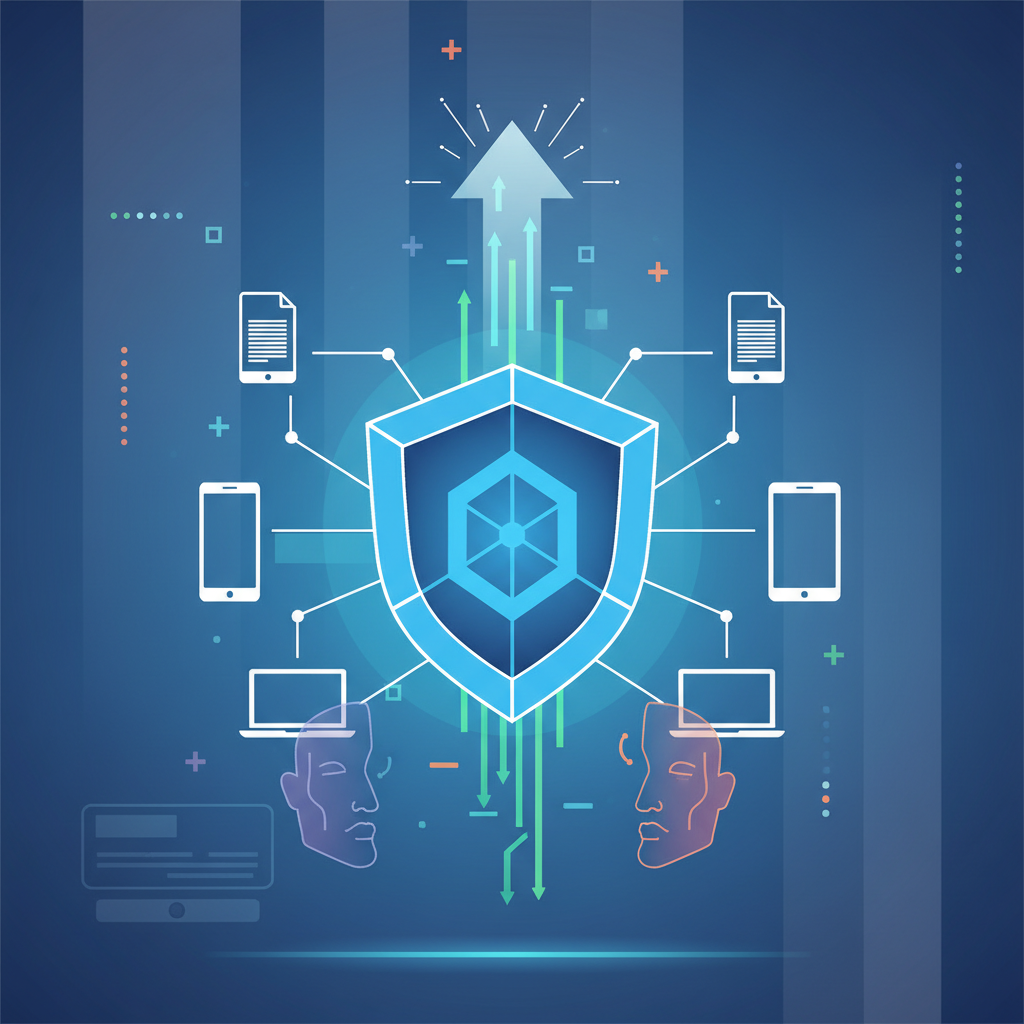
Impact of Deepfakes on Corporate Security and Information Accuracy
The rise of deepfake technology has introduced a new layer of complexity and risk to corporate security and the accuracy of information. While initially seen as a novelty or a tool for entertainment, deepfakes have rapidly evolved into a sophisticated method for spreading misinformation, conducting fraud, and damaging reputations. This poses a significant challenge for businesses across all sectors, demanding proactive strategies to mitigate potential threats.
What are Deepfakes?
At their core, deepfakes are artificially manipulated videos or audio recordings that depict someone doing or saying something they never actually did. Utilizing artificial intelligence, specifically deep learning algorithms (hence the name “deepfake”), these creations can seamlessly swap faces, alter voices, and even generate entirely synthetic content that is incredibly difficult to distinguish from reality. The technology has become increasingly accessible, with readily available software and online tutorials enabling even individuals with limited technical expertise to create convincing deepfakes.
The Growing Sophistication of Deepfake Technology
Early deepfakes were often easily detectable due to glitches, unnatural movements, or inconsistencies in lighting and audio. However, the technology is rapidly improving. Modern deepfakes are now capable of replicating subtle nuances in facial expressions, speech patterns, and body language, making them far more believable and harder to identify. This rapid advancement means that detection methods are constantly playing catch-up, requiring ongoing research and development to stay ahead of the curve.
Deepfakes and Corporate Security: A Threat Landscape
The potential applications of deepfakes are vast, but their misuse can have devastating consequences for organizations. Here are some of the key areas where deepfakes pose a risk to corporate security:
Reputational Damage
One of the most immediate and visible threats is the potential for reputational damage. A deepfake video featuring a CEO making inflammatory statements or engaging in unethical behavior can quickly go viral, causing irreparable harm to the company’s image and brand value. Even if the deepfake is eventually debunked, the initial impact can be significant and long-lasting. The spread of such **misinformation** can lead to boycotts, loss of customer trust, and a decline in stock prices.
Financial Fraud and Scams
Deepfakes can be used to impersonate executives or key personnel to authorize fraudulent transactions, redirect funds, or gain access to sensitive information. Imagine a deepfake video of a CFO instructing a subordinate to transfer a large sum of money to an offshore account. The convincing nature of the deepfake could easily bypass existing security protocols and result in substantial financial losses. Such **financial fraud** is particularly concerning as it leverages the trust placed in authority figures.
Insider Threats and Espionage
Malicious actors could use deepfakes to manipulate employees into divulging confidential information or compromising company systems. A deepfake video of a trusted colleague asking for login credentials or sensitive data could be highly effective in social engineering attacks. Similarly, deepfakes could be used to create false narratives and sow discord within an organization, making it easier to recruit disgruntled employees for espionage activities. The danger of **insider threats** is amplified by the difficulty in discerning genuine communication from manipulated content.
Political and Competitive Disruption
Companies operating in highly competitive or politically sensitive industries are particularly vulnerable to deepfake attacks designed to undermine their operations or damage their standing. A deepfake video of a company spokesperson making controversial statements about a competitor or a political issue could be used to incite public anger and create regulatory challenges. The strategic deployment of **political and competitive disruption** through deepfakes can significantly impact a company’s market share and overall success.
Combating the Deepfake Threat: Strategies for Mitigation
While the threat posed by deepfakes is significant, organizations can take proactive steps to mitigate the risks. A multi-layered approach is essential, combining technological solutions with employee training and robust communication strategies.
Developing Detection Technologies
Investing in and deploying advanced deepfake detection technologies is crucial. These technologies utilize AI and machine learning to analyze videos and audio recordings for inconsistencies, anomalies, and other telltale signs of manipulation. While no detection method is foolproof, the ongoing development and refinement of these tools is essential for staying ahead of the evolving sophistication of deepfakes. Regularly updating security systems with the latest **detection technologies** is vital for maintaining a strong defense.
Employee Training and Awareness Programs
Educating employees about the dangers of deepfakes is critical. Training programs should focus on identifying red flags, recognizing potential scams, and verifying information through multiple channels. Employees should be encouraged to be skeptical of unsolicited requests, particularly those involving financial transactions or sensitive data. Promoting a culture of vigilance and critical thinking is essential for building a human firewall against deepfake attacks. **Employee training** should be ongoing and adapted to reflect the latest deepfake techniques.
Robust Authentication and Verification Procedures
Implementing multi-factor authentication and other robust verification procedures can help prevent unauthorized access to sensitive systems and data. For critical decisions, particularly those involving financial transactions or strategic partnerships, it is essential to verify the identity of individuals through multiple channels, including phone calls, video conferences, and in-person meetings. Relying solely on email or other digital communications can be risky in the age of deepfakes. Strong **authentication and verification** protocols act as a crucial safeguard against impersonation.
Media Monitoring and Crisis Communication Plans
Proactively monitoring social media and other online channels for mentions of your company or key personnel can help you detect potential deepfake attacks early on. Having a well-defined crisis communication plan in place will enable you to respond quickly and effectively to any incidents, minimizing the damage to your reputation. The plan should include procedures for verifying the authenticity of content, debunking false claims, and communicating with stakeholders. Swift **media monitoring** and a prepared **crisis communication plan** are essential for mitigating the impact of a successful deepfake attack.
Strengthening Information Governance
Implementing strict data security protocols and information governance policies can help protect sensitive information from being used to create or perpetuate deepfakes. Restricting access to high-quality images and audio recordings of key personnel, and limiting the sharing of confidential information online, can reduce the risk of these assets being exploited. Strong **information governance** ensures that valuable data is protected from falling into the wrong hands.
The Importance of Collaboration and Information Sharing
Combating the deepfake threat requires collaboration and information sharing between organizations, government agencies, and technology providers. Sharing best practices, threat intelligence, and detection methods can help everyone stay ahead of the curve and collectively strengthen their defenses. Participating in industry forums and working with cybersecurity experts can provide valuable insights and support. The collective effort in **information sharing** is crucial for effectively addressing this evolving challenge.
Conclusion
Deepfakes represent a significant and growing threat to corporate security and information accuracy. Organizations must recognize the potential risks and take proactive steps to mitigate them. By investing in detection technologies, training employees, implementing robust authentication procedures, and strengthening information governance, companies can significantly reduce their vulnerability to deepfake attacks. The key is to remain vigilant, adapt to the evolving threat landscape, and collaborate with others to stay one step ahead of the malicious actors who seek to exploit this powerful technology. Ignoring this threat is no longer an option; proactive action is essential for protecting your organization’s reputation, finances, and strategic interests.
Take Action Now:
1. Schedule a security assessment to identify your organization’s vulnerabilities to deepfake attacks.
2. Implement a comprehensive employee training program to raise awareness of the dangers of deepfakes and how to identify them.
3. Review and update your crisis communication plan to include procedures for responding to deepfake incidents.
4. Explore and invest in deepfake detection technologies to enhance your security posture.
5. Contact your industry peers and cybersecurity experts to share best practices and threat intelligence.