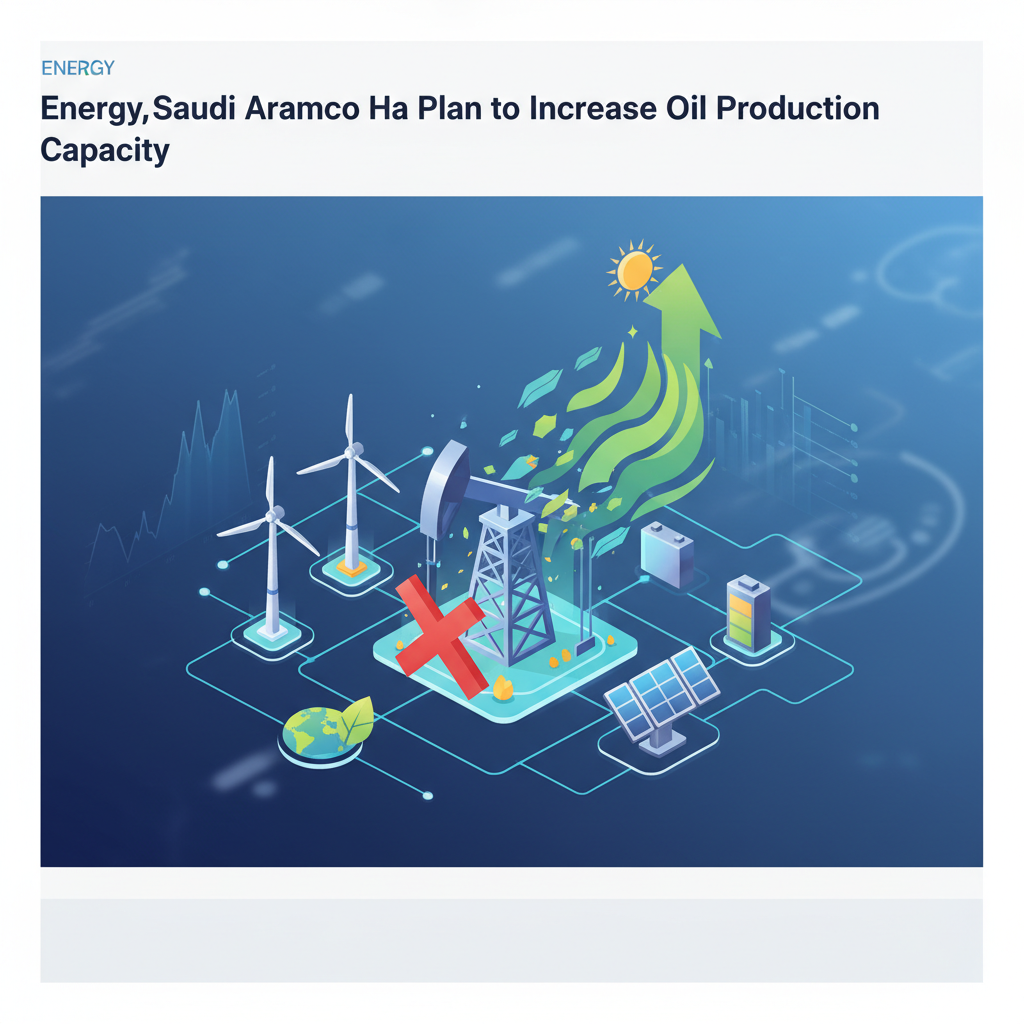
Energy, Saudi Aramco halts Plan to Increase Oil Production Capacity
In a surprising move, Saudi Aramco, the world’s largest oil company, has reportedly halted its ambitious plan to increase its oil production capacity to 13 million barrels per day (bpd). This decision, while unexpected, raises several questions about the future of energy markets, Saudi Arabia’s long-term strategy, and the global transition away from fossil fuels.
Why the Shift? Exploring the Reasons Behind Aramco’s Decision
Several factors could be contributing to this significant shift in strategy. It’s important to understand these to grasp the full implications of Saudi Aramco’s revised plan. The initial goal to reach 13 million bpd has been under discussion for a while, but now seems to be off the table. Here’s a breakdown of possible reasons:
1. Changing Global Energy Landscape
The world is increasingly focused on renewable energy sources and reducing reliance on fossil fuels. Governments and corporations are investing heavily in solar, wind, and other sustainable alternatives. This transition, while gradual, is impacting long-term demand projections for oil. Could this shift be making the 13 million bpd target less necessary, or even strategically unwise?
2. Economic Considerations
Expanding oil production capacity requires massive investments in infrastructure, technology, and manpower. These projects come with significant financial risks, particularly if future demand for oil is uncertain. Saudi Aramco may be re-evaluating the economic viability of such a large-scale expansion, especially considering the current global economic climate and potential fluctuations in oil prices.
3. Geopolitical Factors
The geopolitical landscape is constantly evolving, with shifting alliances, trade tensions, and regional conflicts. These factors can significantly impact oil supply and demand, making long-term planning difficult. It’s possible that Saudi Aramco is adopting a more cautious approach in light of these uncertainties.
4. Focus on Downstream Operations
Saudi Aramco is increasingly diversifying its operations beyond crude oil production. The company is investing heavily in refining, petrochemicals, and other downstream activities. This strategic shift could indicate a focus on maximizing value from existing oil production rather than significantly increasing output. This change of direction will have a dramatic impact on the energy sector.
Impact on the Energy Market
Saudi Aramco’s decision will undoubtedly have a ripple effect on the global energy market. Here’s what we can expect:
1. Potential for Price Volatility
The news could lead to increased volatility in oil prices. If the market perceives a potential supply constraint due to the halted expansion, prices could rise. Conversely, if concerns about future demand outweigh supply concerns, prices could fall. It’s a complex interplay of factors.
2. Increased Scrutiny of OPEC+
The decision puts even greater emphasis on the role of OPEC+ (Organization of the Petroleum Exporting Countries and its allies) in managing global oil supply. Any changes to OPEC+ production quotas will be closely watched by market participants.
3. Renewed Focus on Alternative Energy
The news might accelerate the transition to alternative energy sources. If oil prices remain elevated due to perceived supply constraints, it could make renewable energy options more attractive and economically competitive.
Saudi Arabia’s Long-Term Strategy: A Reassessment
This shift in strategy prompts a re-evaluation of Saudi Arabia’s long-term vision. Is the Kingdom pivoting towards a more diversified economy less reliant on oil revenues? Are they bracing for a faster-than-expected decline in global oil demand?
1. Vision 2030 and Economic Diversification
Saudi Arabia’s Vision 2030 is an ambitious plan to diversify the Kingdom’s economy and reduce its dependence on oil. This initiative includes investments in tourism, technology, and other non-oil sectors. The decision to halt the oil production capacity expansion could be seen as aligning with this broader economic diversification strategy. With energy demands changing, now is the time to look at other possible avenues of profit.
2. Adapting to a Low-Carbon Future
Saudi Arabia has acknowledged the need to address climate change and reduce its carbon footprint. The Kingdom has committed to investing in renewable energy and developing carbon capture technologies. The decision to halt the oil production capacity expansion could be interpreted as a recognition of the need to adapt to a low-carbon future.
The Big Picture: Global Energy Transition
Saudi Aramco’s decision comes at a critical juncture in the global energy transition. It highlights the growing uncertainties surrounding the future of oil demand and the increasing urgency to invest in renewable energy and sustainable technologies.
1. A Wake-Up Call for the Industry
This move could serve as a wake-up call for the entire oil and gas industry. Companies need to reassess their long-term strategies and prepare for a world where oil plays a less dominant role in the energy mix.
2. Accelerating the Shift to Renewables
The decision could accelerate the shift to renewable energy sources by increasing investor confidence and creating new market opportunities. As countries and corporations strive to meet their climate goals, renewable energy will become increasingly essential.
Conclusion: Navigating the Energy Future
Saudi Aramco’s decision to halt its oil production capacity expansion is a significant development with far-reaching implications. It underscores the evolving dynamics of the global energy market and the increasing importance of adapting to a low-carbon future. The focus should remain on the bigger picture of energy production and how it affects everyone around the world. With alternative energies on the rise, companies have to be vigilant in how they produce and manage their energy output.
What does this mean for you? Now is the time to:
- Stay informed about the evolving energy landscape.
- Consider the implications of these changes for your investments and energy consumption.
- Support policies and initiatives that promote a sustainable energy future.
Share your thoughts! What do you think about Saudi Aramco’s decision? How will it impact the energy market and the global transition to renewable energy? Leave your comments below.