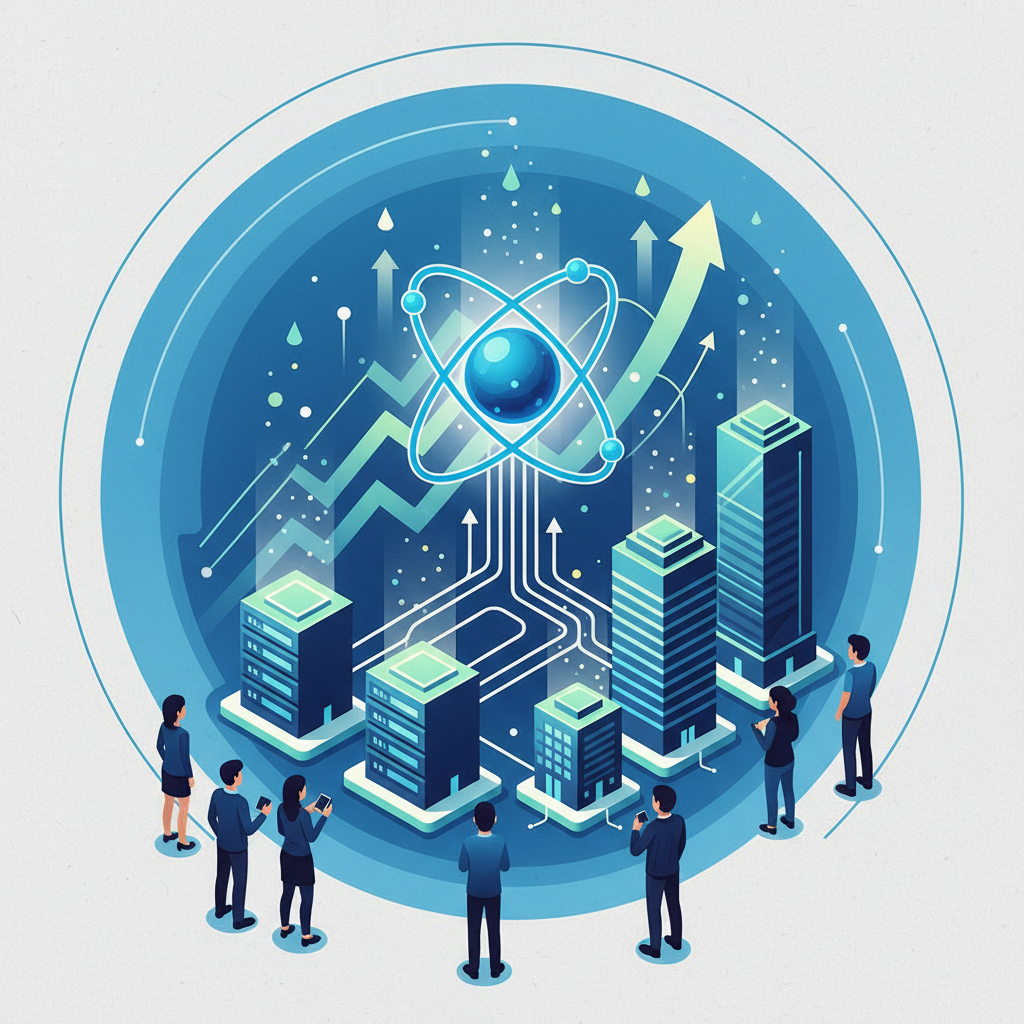
Energy, Nuclear Power Gains Traction as Tech Giants Seek Clean Energy
The push for clean energy is gaining momentum, and tech giants are increasingly looking towards nuclear power as a viable solution. With growing concerns about climate change and the need for reliable, carbon-free energy sources, the conversation around nuclear energy is shifting.
The Clean Energy Imperative
For years, renewable energy sources like solar and wind have been at the forefront of the clean energy transition. However, these sources are intermittent, meaning they only generate power when the sun is shining or the wind is blowing. This intermittency poses a challenge for maintaining a stable and reliable electricity grid. As a result, companies are exploring other options that can provide baseload power – a consistent and dependable energy supply – while also reducing carbon emissions.
Tech companies, in particular, have a significant need for clean energy. Data centers, which are the backbone of the internet, consume vast amounts of electricity. Powering these facilities with fossil fuels contributes significantly to carbon emissions. To meet their sustainability goals and reduce their environmental impact, many tech giants are actively seeking alternative energy sources.
Nuclear Power: A Renewed Focus
Nuclear power is re-emerging as a key player in the clean energy discussion. While it has faced safety concerns and public skepticism in the past, advancements in nuclear technology and a growing awareness of its potential benefits are driving a renewed interest.
One of the primary advantages of nuclear power is its ability to provide a reliable and consistent source of electricity. Unlike solar and wind, nuclear power plants can operate 24/7, regardless of weather conditions. This makes them an ideal source of baseload power for data centers and other energy-intensive facilities.
Furthermore, nuclear power is a low-carbon energy source. While the construction of nuclear power plants does involve some carbon emissions, the operation of the plants themselves produces virtually no greenhouse gases. This makes nuclear power a valuable tool in the fight against climate change.
Tech Giants Investing in Nuclear
Several tech companies are already taking concrete steps to incorporate nuclear power into their energy portfolios. Some are directly investing in nuclear power projects, while others are exploring partnerships with nuclear energy providers.
For example, Microsoft has partnered with energy companies to explore the use of small modular reactors (SMRs) to power its data centers. SMRs are smaller, more flexible nuclear reactors that can be deployed more quickly and cost-effectively than traditional large-scale nuclear plants.
Amazon Web Services (AWS) and Google are also exploring various clean energy options, including nuclear, to power their growing data center infrastructure. These companies recognize that transitioning to clean energy is not only environmentally responsible but also makes good business sense, as it can reduce energy costs and enhance their reputation.
Addressing Concerns and Challenges
Despite its potential benefits, nuclear power still faces significant challenges. One of the biggest concerns is the safety of nuclear power plants. Accidents like Chernobyl and Fukushima have raised public awareness of the risks associated with nuclear energy. However, modern nuclear power plants are designed with multiple layers of safety features to prevent accidents and minimize the potential for harm.
Another challenge is the management of nuclear waste. Nuclear waste remains radioactive for thousands of years, and finding a safe and permanent disposal solution is a complex and controversial issue. However, researchers are exploring new technologies, such as advanced reactors that can recycle nuclear waste and reduce its long-term radioactivity.
The cost of building and operating nuclear power plants is also a factor. Nuclear projects are typically expensive and time-consuming, which can deter investment. However, SMRs and other advanced nuclear technologies offer the potential to reduce costs and shorten construction timelines.
The Future of Nuclear Energy
The future of nuclear energy looks promising, with ongoing advancements in technology and a growing commitment to clean energy. SMRs, in particular, are expected to play a significant role in the coming years.
These reactors are designed to be safer, more efficient, and more affordable than traditional nuclear plants. They can be deployed in a variety of locations, including remote areas and industrial sites, and can be used to power data centers, factories, and even entire communities.
Moreover, nuclear fusion, a technology that has the potential to provide virtually limitless clean energy, is also making progress. While fusion power is still in the research and development phase, recent breakthroughs have raised hopes that it could become a viable energy source in the future.
The Role of Policy and Regulation
Government policies and regulations will play a crucial role in shaping the future of nuclear energy. Supportive policies, such as tax credits and subsidies, can help to incentivize investment in nuclear projects and accelerate the transition to clean energy.
Streamlined regulatory processes can also help to reduce the time and cost of building new nuclear power plants. At the same time, it is essential to maintain rigorous safety standards to ensure that nuclear facilities are operated responsibly and that public health and the environment are protected.
International cooperation is also important. Sharing best practices, collaborating on research and development, and harmonizing safety standards can help to advance the global nuclear energy industry.
Conclusion
As tech giants and other businesses strive to meet their sustainability goals and reduce their carbon footprint, nuclear power is emerging as a viable and attractive option. With its ability to provide reliable, low-carbon energy, nuclear power can play a significant role in the transition to a clean energy future.
While challenges remain, ongoing advancements in technology and supportive policies are paving the way for a renewed focus on nuclear energy. By addressing concerns and embracing innovation, we can harness the power of nuclear to create a more sustainable and prosperous world.
Take Action: Learn more about nuclear energy and its potential to address climate change. Support policies that promote clean energy development, including nuclear power. Engage in informed discussions about the role of nuclear in a sustainable future.