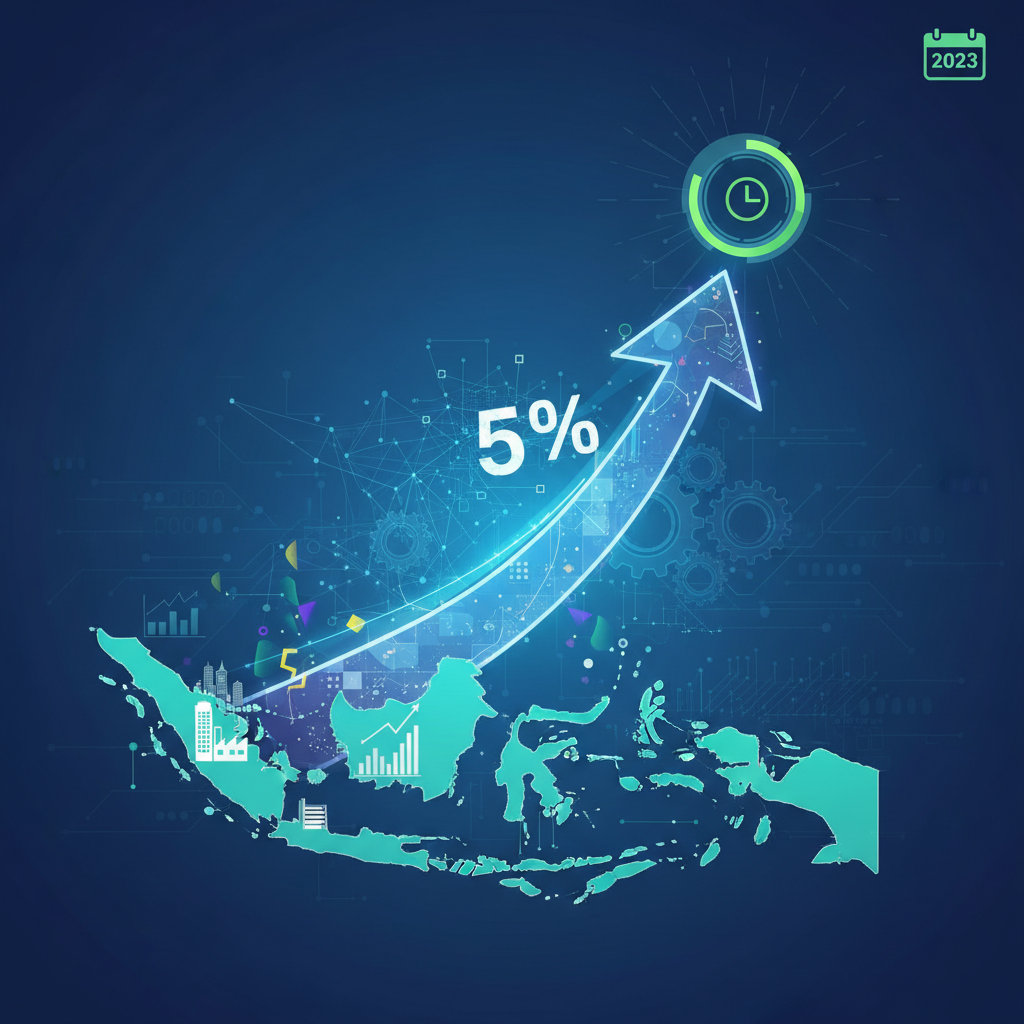
Economy, Indonesia Economic Growth Steady at 5% in 2023
Indonesia’s economy continued its stable growth trajectory in 2023, maintaining a growth rate of around 5%. This figure reflects a resilient performance amidst global economic uncertainties and highlights the strengths of the Indonesian economic framework.
This report will delve into the key factors contributing to this growth, the challenges faced, and the outlook for the Indonesian economy in the coming year. We’ll also explore how various sectors have performed and the government’s strategies to sustain this positive momentum.
Key Drivers of Indonesia’s Economic Growth
Several factors have underpinned Indonesia’s economic performance. A significant contributor is domestic consumption, which remains a major engine of growth. With a large and increasingly affluent middle class, Indonesia boasts a robust internal market. Government spending on infrastructure projects also plays a crucial role. These projects not only stimulate immediate economic activity but also enhance long-term productivity and connectivity.
Another important aspect is the performance of specific sectors. The manufacturing sector, while facing some challenges, continues to be a key contributor. The tourism sector has also shown signs of recovery, gradually returning to pre-pandemic levels. Moreover, Indonesia’s exports of commodities like coal, palm oil, and nickel have remained relatively strong, benefiting from global demand and favorable prices.
The Role of Government Policy in Sustaining Economic Growth
The Indonesian government has implemented a range of policies aimed at supporting and stimulating economic growth. These include fiscal measures designed to boost domestic demand and investment, as well as structural reforms intended to improve the business environment and attract foreign investment. The focus on improving infrastructure, streamlining regulations, and enhancing human capital development are all critical components of this strategy.
For example, the government has been actively promoting investment in renewable energy projects. As the global economy moves towards more sustainable practices, Indonesia aims to position itself as a key player in this emerging sector. Government incentives and support for green technologies are expected to attract significant investment and create new economic opportunities.
Furthermore, the government has been focused on enhancing the country’s digital infrastructure. Recognizing the increasing importance of the digital economy, efforts are underway to improve internet connectivity and promote the adoption of digital technologies across various sectors. This includes supporting the growth of e-commerce, fintech, and other digital services.
Challenges Facing the Indonesian Economy
Despite the positive growth figures, the Indonesian economy faces several challenges. Global economic uncertainty, including inflationary pressures, rising interest rates, and geopolitical tensions, pose significant risks. These external factors can impact Indonesia’s trade, investment, and financial stability. Managing these challenges effectively is crucial for sustaining long-term economic growth.
Another key concern is the issue of inequality. While Indonesia has made significant progress in reducing poverty, income disparities remain a challenge. Addressing this requires targeted policies aimed at improving access to education, healthcare, and economic opportunities for all segments of society. This will not only promote social equity but also contribute to more inclusive and sustainable economic growth.
Additionally, there are concerns about the pace of structural reforms. While the government has implemented several measures to improve the business environment, further reforms are needed to reduce red tape, enhance transparency, and strengthen governance. These reforms are essential for attracting foreign investment and promoting domestic entrepreneurship.
Sector-Specific Performance and Contributions
A closer look at individual sectors reveals a more nuanced picture of the Indonesian economy. The agriculture sector, while still a significant employer, has experienced slower growth compared to other sectors. Improving productivity and competitiveness in agriculture is essential for enhancing rural livelihoods and ensuring food security.
The manufacturing sector has shown resilience but faces challenges from global competition and supply chain disruptions. Investing in technology upgrades, skills development, and export diversification is crucial for strengthening the manufacturing sector and enhancing its contribution to economic growth.
The services sector, including tourism, has seen a gradual recovery. As international travel resumes, the tourism sector is expected to contribute more significantly to the economy. However, promoting sustainable tourism practices and diversifying tourism offerings are essential for maximizing its long-term benefits.
The digital economy presents significant opportunities for growth. E-commerce, fintech, and other digital services are rapidly expanding, creating new jobs and business opportunities. Supporting the growth of the digital economy requires investments in infrastructure, regulatory frameworks, and skills development.
Indonesia Economic Growth: Regional Disparities and Development
Economic growth is not evenly distributed across Indonesia’s vast archipelago. Some regions, particularly those with abundant natural resources or strategic locations, have experienced faster growth than others. Addressing these regional disparities is crucial for ensuring that all Indonesians benefit from economic progress.
The government has implemented policies aimed at promoting regional development, including investments in infrastructure, education, and healthcare in less developed areas. These policies are designed to reduce regional inequalities and create more balanced and sustainable economic growth.
Furthermore, promoting local entrepreneurship and supporting small and medium-sized enterprises (SMEs) in regional areas is essential for creating jobs and stimulating economic activity. Access to finance, training, and markets are crucial for empowering local businesses and fostering regional development.
Future Outlook and Projections
Looking ahead, the outlook for the Indonesian economy remains cautiously optimistic. While global economic uncertainties pose challenges, Indonesia’s strong domestic market, supportive government policies, and ongoing structural reforms provide a solid foundation for continued growth.
Most economic forecasts project that Indonesia will continue to achieve a growth rate of around 5% in the coming years. However, realizing this potential requires effective management of global risks, continued progress on structural reforms, and sustained efforts to address inequality and promote regional development.
The **Indonesia economic growth** in the long term will rely on diversification of the economy beyond commodities, investing in human capital and education, and adapting to green technologies and digital advancement. Indonesia has the potential to become one of the world’s largest economies, but fulfilling this potential requires commitment and sustained effort. This steady **Indonesia economic growth** should be celebrated, but also inspire future planning.
Conclusion
Indonesia’s steady **Indonesia economic growth** of 5% in 2023 reflects a resilient and dynamic economy. While challenges remain, the country’s strong domestic market, supportive government policies, and ongoing structural reforms provide a solid foundation for future progress. By addressing inequality, promoting regional development, and investing in human capital, Indonesia can unlock its full economic potential and achieve sustainable and inclusive growth.
The **Indonesia economic growth** is a testament to the government’s strategies. The nation’s **economy** remains vibrant and on the right track.
Take Action Now!
Stay informed about the latest developments in the Indonesian economy. Subscribe to our newsletter for regular updates and expert analysis. Share this article with your network to promote awareness and understanding of Indonesia’s economic potential. And if you’re an investor or business owner, consider exploring the opportunities that Indonesia has to offer. There’s an opportunity to get involved in **Indonesia economic growth** and development.