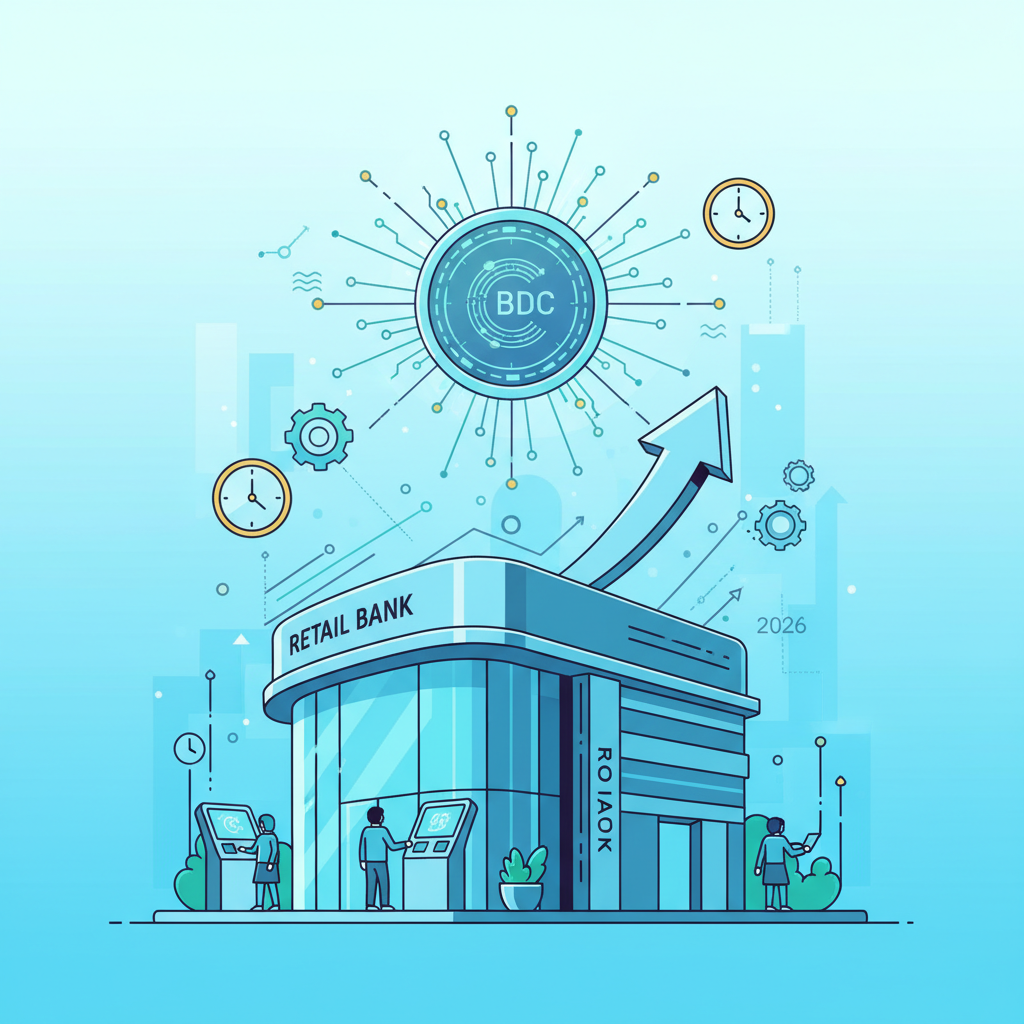
Central Bank Digital Currency (CBDC) Race: Impact on Retail Banking 2026
The year is 2024. Talk of Central Bank Digital Currencies (CBDCs) is no longer just theoretical. Governments and central banks worldwide are actively exploring and, in some cases, piloting their own digital currencies. But what does this mean for the average person and, more specifically, for the future of retail banking by 2026? This news watch delves into the potential impacts, challenges, and opportunities presented by the burgeoning CBDC race.
The Rise of CBDCs: A Global Snapshot
CBDCs are, in essence, digital versions of a country’s fiat currency, issued and regulated by the central bank. Unlike cryptocurrencies like Bitcoin, which are decentralized, CBDCs are centralized and backed by the full faith and credit of the government. The motivations behind exploring CBDCs are varied, ranging from improving payment efficiency and financial inclusion to combating illicit activities and maintaining monetary sovereignty in an increasingly digital world.
Several countries are leading the charge. China’s digital yuan, for example, is already in pilot testing across numerous cities. The European Central Bank (ECB) is actively exploring a digital euro, and the US Federal Reserve is researching the potential benefits and risks of a US CBDC. Smaller nations, like the Bahamas with its “Sand Dollar,” have already launched fully operational CBDCs, often driven by the need to improve access to financial services in remote areas.
How CBDCs Could Reshape Retail Banking by 2026
The introduction of CBDCs could have a profound impact on retail banking, potentially disrupting traditional business models and altering the relationship between banks and their customers. Here are some key areas of potential change:
Increased Competition and Disintermediation
One of the most significant concerns for retail banks is the potential for disintermediation. If consumers can hold CBDC directly with the central bank, it could reduce the need for traditional bank accounts, especially for basic payment services. This would put pressure on banks to offer more compelling value propositions beyond simply holding deposits. Banks will need to focus on offering specialized financial services, such as lending, investment advice, and wealth management, to remain competitive. The successful banks will be the ones that can integrate CBDCs seamlessly into their existing offerings and create new, innovative services around them.
Lower Transaction Costs and Faster Payments
CBDCs have the potential to significantly reduce transaction costs and speed up payment processing. Traditional banking systems often involve multiple intermediaries, leading to delays and fees. CBDCs could enable instant, direct payments between individuals and businesses, eliminating the need for these intermediaries. This could be particularly beneficial for cross-border payments, which are often slow and expensive. Imagine sending money to a friend in another country instantaneously and with minimal fees – a capability that CBDCs could make a reality.
Enhanced Financial Inclusion
CBDCs could play a crucial role in promoting financial inclusion, particularly for the unbanked and underbanked populations. By providing a digital form of central bank money, CBDCs could offer a safe and accessible alternative to cash for individuals who lack access to traditional banking services. This could be especially impactful in developing countries where access to financial infrastructure is limited. However, successful implementation requires addressing challenges such as digital literacy and access to technology, ensuring that vulnerable populations are not left behind.
New Business Models and Opportunities
While CBDCs pose challenges for retail banks, they also present new business opportunities. Banks could act as intermediaries, offering CBDC-related services such as wallet management, payment processing, and fraud detection. They could also leverage CBDCs to develop innovative new financial products and services tailored to the digital economy. For example, banks could offer micro-loans or automated savings programs powered by CBDC technology. The key is for banks to adapt and embrace the new technology, rather than resisting it.
Impact on Lending and Credit
The impact of CBDCs on lending and credit is more complex. On one hand, CBDCs could make it easier to track transactions and assess creditworthiness, potentially leading to more efficient lending practices. On the other hand, if consumers shift their deposits from commercial banks to CBDC, it could reduce the amount of funds available for banks to lend, potentially impacting credit availability. Central banks would need to carefully manage the supply of CBDC to avoid disrupting the credit market.
Challenges and Considerations
The implementation of CBDCs is not without its challenges. Here are some key considerations that need to be addressed:
Cybersecurity Risks
As with any digital system, CBDCs are vulnerable to cybersecurity threats. Protecting the CBDC infrastructure from hacking and fraud is paramount. Central banks and governments need to invest heavily in cybersecurity measures to ensure the safety and integrity of the system. This includes robust authentication protocols, encryption technologies, and ongoing monitoring for suspicious activity.
Privacy Concerns
The potential for the central bank to track all CBDC transactions raises privacy concerns. Striking a balance between providing transparency and combating illicit activities while protecting individual privacy is a crucial challenge. Privacy-enhancing technologies, such as zero-knowledge proofs, could be used to allow for verification of transactions without revealing sensitive information.
Technological Infrastructure and Interoperability
Developing and maintaining the technological infrastructure required to support a CBDC is a significant undertaking. Ensuring interoperability between different CBDC systems and with existing payment systems is also essential for seamless integration into the global financial system. This requires collaboration and standardization across different countries and jurisdictions.
Monetary Policy Implications
The introduction of a CBDC could have significant implications for monetary policy. Central banks need to carefully consider how a CBDC might affect interest rates, inflation, and the overall stability of the financial system. They may need to adapt their existing monetary policy tools to effectively manage the new digital currency.
The Future of Retail Banking: Navigating the CBDC Landscape
By 2026, the landscape of retail banking is likely to be significantly different due to the rise of CBDCs. Traditional banks will need to adapt and innovate to remain competitive. This requires embracing new technologies, developing new business models, and focusing on providing value-added services to customers. The success of CBDCs will depend on addressing the challenges of cybersecurity, privacy, technological infrastructure, and monetary policy implications. The focus on the customer experience will be paramount.
For consumers, CBDCs could offer a more convenient, efficient, and inclusive way to manage their finances. However, it is important to be aware of the potential risks and benefits and to stay informed about the developments in this rapidly evolving space.
Conclusion
The CBDC race is on, and its impact on retail banking by 2026 will be substantial. While uncertainties remain, one thing is clear: the future of finance is digital, and CBDCs are poised to play a significant role in shaping that future.
Call to Action
Stay informed about the latest developments in the world of CBDCs. Research different CBDC projects, follow industry experts, and engage in discussions about the future of finance. Your understanding and participation will be crucial in shaping the future of money.