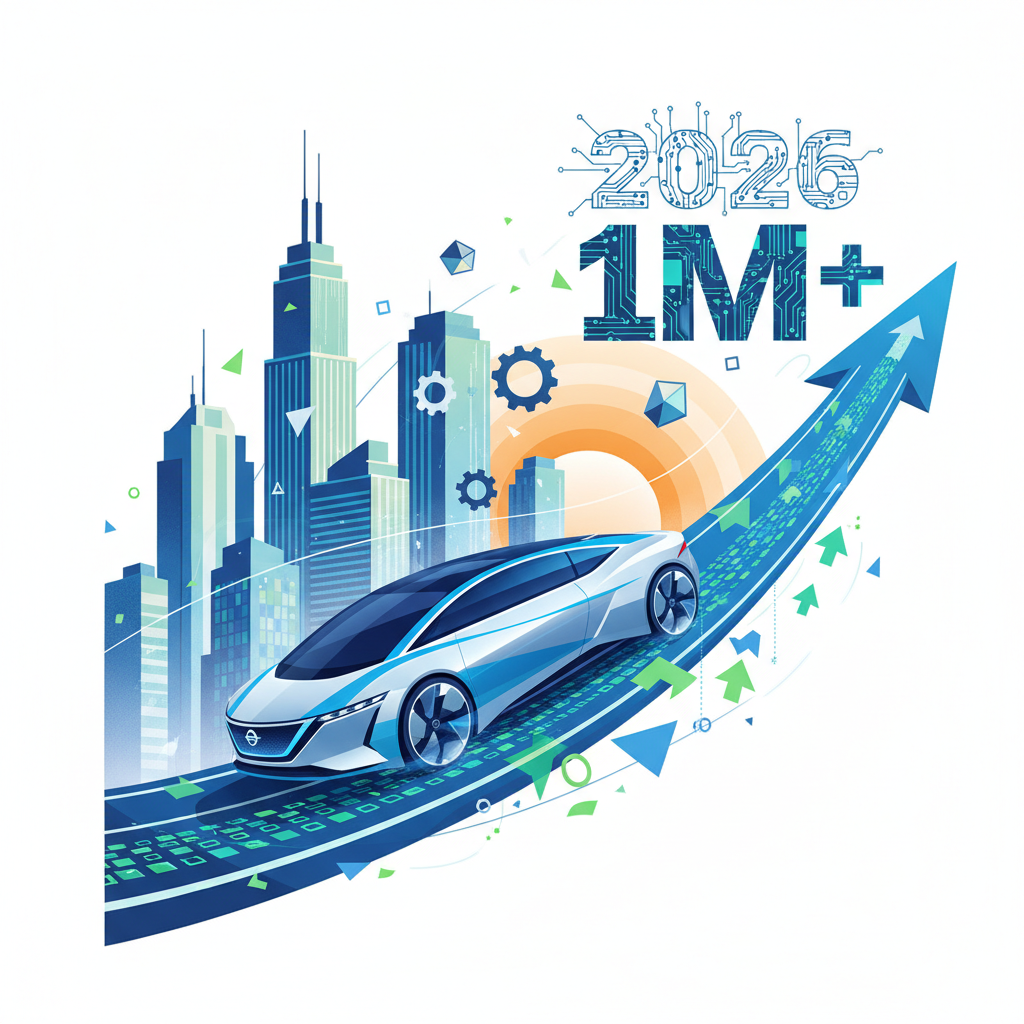
Automotive, Nissan Targets 1 Million Additional Sales by 2026
Nissan is setting ambitious goals for the coming years. The Japanese automaker has announced its intention to significantly increase its global sales volume, aiming for an additional 1 million units sold by the end of fiscal year 2026. This is a bold move in a rapidly changing automotive landscape.
Nissan’s Ambitious Growth Strategy
The company’s strategy hinges on several key factors, including the introduction of new electric vehicles (EVs), strengthening its presence in key markets, and improving overall operational efficiency. The push for greater sales comes as the automotive industry faces a period of significant transformation, with electrification and changing consumer preferences reshaping the market. Nissan hopes to capitalize on these trends to achieve its growth targets.
Focus on Electric Vehicles
A central element of Nissan’s plan is the expansion of its EV lineup. The company aims to launch a range of new electric models across different segments, catering to a wider customer base. This will include both fully electric vehicles and hybrids, allowing Nissan to address diverse market needs and regulatory requirements. The success of models like the Nissan LEAF has paved the way for this broader EV strategy.
The company understands that consumer adoption of EVs is crucial for its growth. Therefore, Nissan plans to invest heavily in charging infrastructure and battery technology, to alleviate customer concerns regarding range anxiety and charging availability. These investments are seen as crucial to drive EV sales and secure a leading position in the electric vehicle market.
Strengthening Market Presence
Beyond EVs, Nissan is focused on reinforcing its position in core markets, particularly North America, China, and Japan. Each market requires a tailored approach to address local customer preferences and competitive dynamics. In North America, Nissan is focusing on offering a diverse range of vehicles that meet the demands of truck and SUV buyers, while also introducing new EV options. In China, the company is working to enhance its collaboration with local partners and to adapt its product offerings to the evolving needs of Chinese consumers.
Furthermore, Nissan intends to improve its operational efficiency. This includes streamlining its manufacturing processes, reducing costs, and optimizing its supply chain. These initiatives are designed to improve profitability and free up resources for investment in future technologies and growth opportunities. By becoming more efficient, Nissan aims to become more competitive and better positioned to weather any economic headwinds.
Challenges and Opportunities
Reaching the 1 million additional sales target by 2026 will not be without its challenges. The global automotive market is highly competitive, and Nissan faces competition from both established automakers and emerging EV manufacturers. Economic uncertainty, supply chain disruptions, and changing regulatory landscapes could also pose obstacles to the company’s growth ambitions. Successfully navigating these challenges will be essential for Nissan to achieve its goals.
Despite these challenges, Nissan also has significant opportunities. The increasing demand for EVs, the company’s strong brand reputation, and its technological expertise are all factors that could contribute to its success. Furthermore, Nissan’s global footprint provides it with access to diverse markets and customer bases, giving it an advantage over smaller, regionally focused competitors. By leveraging these strengths, Nissan can overcome the challenges and capitalize on the opportunities presented by the evolving automotive landscape.
The Role of Innovation
Innovation will play a key role in Nissan’s pursuit of increased sales. The company is investing in advanced technologies, such as autonomous driving and connectivity, to differentiate its vehicles and attract new customers. Nissan’s e-Power technology, which combines a gasoline engine with an electric motor, is another example of the company’s innovative approach to powertrain development.
This constant focus on innovation is meant to make the brand more appealing to tech-savvy consumers who are looking for cutting-edge features and seamless driving experiences. By incorporating these technologies into its vehicles, Nissan aims to create a competitive edge and drive sales growth. The company understands that staying ahead of the curve is essential in today’s rapidly evolving automotive industry.
Economic and Market Conditions
The success of Nissan’s strategy will depend to some extent on broader economic and market conditions. A stable global economy, continued growth in key markets, and favorable government policies toward EVs would all support the company’s growth ambitions. Conversely, an economic downturn, trade tensions, or unexpected regulatory changes could negatively impact sales and profitability.
Nissan is closely monitoring these factors and is prepared to adapt its strategy as needed. The company’s management team is committed to making data-driven decisions and remaining agile in the face of changing market conditions. By carefully managing its risks and opportunities, Nissan aims to achieve its sales targets and deliver long-term value to its shareholders.
Implications for the Automotive Industry
Nissan’s ambitious growth plans have implications for the broader automotive industry. The company’s increased focus on EVs and its efforts to improve operational efficiency could inspire other automakers to follow suit. Furthermore, Nissan’s success in key markets could reshape the competitive landscape and influence the strategies of other players.
The industry will be watching Nissan’s progress closely to see how it navigates the challenges and opportunities of the evolving automotive market. Nissan’s journey toward achieving its sales targets will provide valuable insights for other automakers and stakeholders as the industry continues to transform.
In conclusion, Nissan’s target of selling an additional 1 million vehicles by 2026 is a significant undertaking. The company’s success will hinge on its ability to execute its EV strategy, strengthen its market presence, improve operational efficiency, and adapt to changing market conditions. This is a crucial period for Nissan and the automotive industry as a whole.
Are you considering purchasing a new car in the coming years? Explore Nissan’s latest models and discover how their innovative technology and commitment to sustainability are shaping the future of driving. Visit your local Nissan dealership or explore their website today!