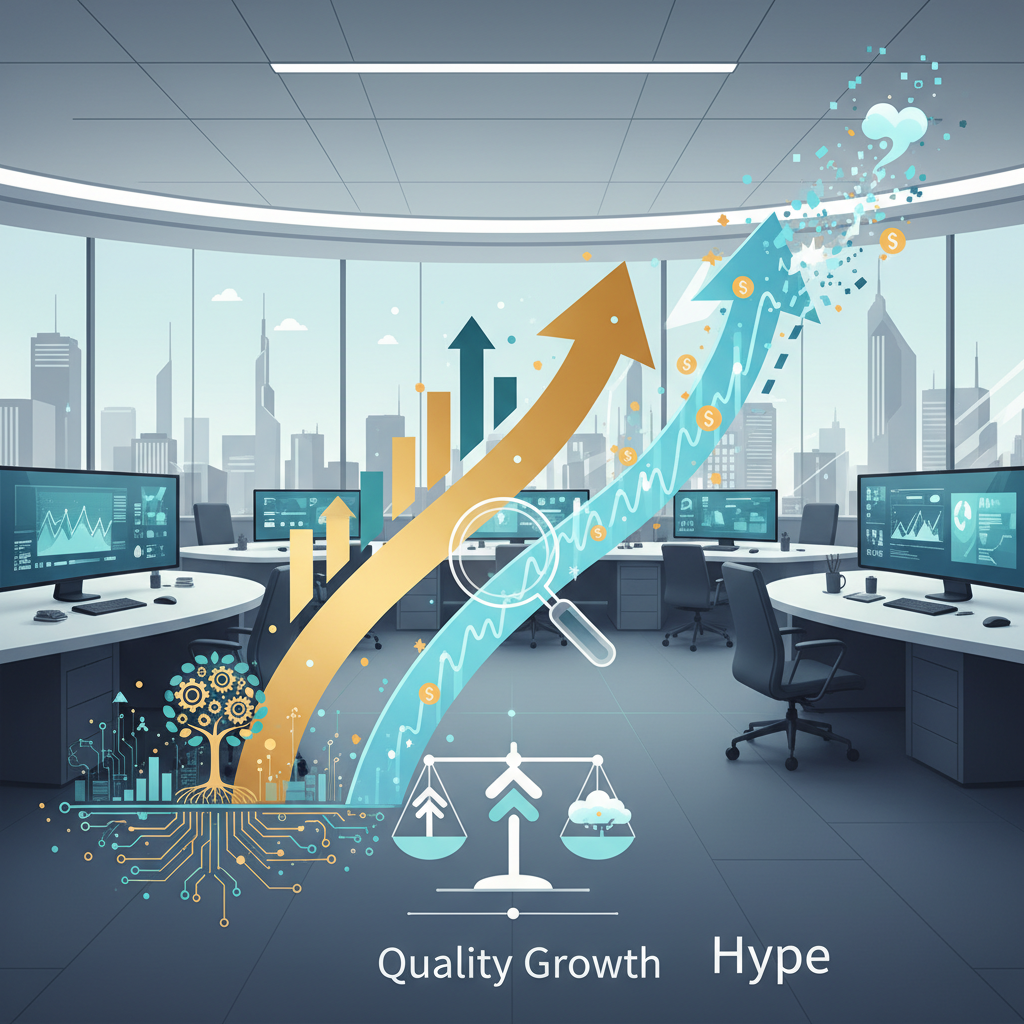
Analyzing Revenue Growth Rates: Distinguishing Quality Growth from Hype
Revenue growth is a key indicator of a company’s health and potential. However, not all growth is created equal. Understanding the nuances of revenue growth rates is crucial for investors, analysts, and even the companies themselves. It’s about distinguishing sustainable, quality growth from fleeting hype.
The Importance of Revenue Growth Analysis
Why should we care about revenue growth rates? Because they provide a snapshot of a company’s performance and its ability to attract and retain customers. A consistently growing revenue stream often translates to increased profitability and market share. However, simply looking at the top-line number can be misleading. A deeper dive is needed to understand the true drivers behind the growth.
Different Types of Revenue Growth
Before we delve into analyzing the quality of growth, let’s clarify the different types of revenue growth you might encounter:
- Organic Growth: This refers to growth generated from a company’s existing operations and customer base. It’s generally considered a sign of a healthy and sustainable business model.
- Inorganic Growth: This type of growth comes from acquisitions, mergers, or other external factors. While it can boost revenue quickly, it doesn’t necessarily indicate underlying strength.
- Year-over-Year (YoY) Growth: This is the most common metric, comparing revenue in a specific period (e.g., a quarter or a year) to the same period in the previous year.
- Compound Annual Growth Rate (CAGR): This calculates the average annual growth rate over a longer period, providing a smoother view of overall performance.
Distinguishing Quality Growth from Hype
So, how do we tell the difference between genuine, sustainable growth and growth fueled by temporary factors or unsustainable practices?
Factors Indicating Quality Growth
Here are some key indicators to look for when assessing the quality of a company’s revenue growth:
- Customer Acquisition Cost (CAC): Is the company spending excessively to acquire new customers? A high CAC relative to customer lifetime value (LTV) suggests unsustainable growth.
- Customer Retention Rate: Are customers sticking around? A high churn rate can negate the benefits of strong customer acquisition. Focus on companies with good retention.
- Gross Margin: Is the company maintaining healthy profit margins as it grows? Declining margins may indicate pricing pressure or increased costs that could threaten profitability in the long run.
- Market Trends: Is the company riding a wave of a temporary trend, or is it operating in a sector with long-term growth potential? Understanding market dynamics is critical.
- Competitive Landscape: How does the company’s growth compare to its competitors? Is it gaining market share, or simply benefiting from overall industry growth?
- Sales & Marketing Efficiency: Look for companies where sales and marketing spending is generating a higher revenue return over time. Are they getting better at targeting customers?
Red Flags Indicating Hype or Unsustainable Growth
Conversely, here are some warning signs that revenue growth may not be as healthy as it appears:
- Aggressive Sales Tactics: Are customers being pressured into purchasing products or services they don’t really need? This can lead to customer dissatisfaction and high churn.
- Unsustainable Pricing: Is the company offering discounts or promotions that are unsustainable in the long run? This can artificially inflate revenue but erode profitability.
- Reliance on a Single Customer or Product: Is a significant portion of revenue dependent on a single large customer or product? This creates vulnerability and risk.
- Accounting Tricks: Are there any accounting irregularities or unusual practices that might be inflating revenue figures? Always be skeptical of companies that aren’t fully transparent.
- High Debt Levels: Is the company relying heavily on debt to fund its growth? This can create financial strain and limit its ability to invest in the future.
Analyzing Revenue Growth in Different Industries
The interpretation of revenue growth rates can vary depending on the industry. For example, a tech startup might be expected to have a much higher growth rate than a mature utility company. Context is key.
Technology Sector
In the tech sector, investors often prioritize growth over profitability, especially in early-stage companies. However, even in tech, it’s important to assess the sustainability of growth. Is the company innovating and developing new products or services? Is it expanding into new markets? A healthy revenue growth rate in tech should be accompanied by a strong product roadmap and a clear path to profitability.
Retail Sector
In the retail sector, analyzing revenue growth rates involves looking at same-store sales, online sales, and the opening of new stores. It’s crucial to consider factors like consumer spending, competition, and the overall economic environment. A retailer with consistently positive same-store sales growth is generally a sign of a healthy business.
Healthcare Sector
The healthcare sector is often less cyclical than other industries, but it’s still important to distinguish quality growth from hype. Factors like demographic trends, government regulations, and technological advancements can significantly impact revenue growth. Companies that are investing in research and development and adapting to changing market conditions are more likely to achieve sustainable growth.
Case Studies: Examples of Good and Bad Revenue Growth
Let’s look at some hypothetical examples to illustrate the difference between quality growth and hype.
Company A: Sustainable Software Growth
Company A is a SaaS company that provides project management software. It has consistently grown its revenue at a rate of 25% per year for the past five years. Its customer acquisition cost is relatively low, its customer retention rate is high, and its gross margin is healthy. The company is constantly innovating and adding new features to its software. This suggests that Company A’s revenue growth is driven by genuine demand for its product and its ability to retain customers. This is high-quality, sustainable growth.
Company B: Flash-in-the-Pan Fitness App
Company B is a fitness app that experienced explosive growth after a celebrity endorsement. Its revenue doubled in a single year. However, its customer acquisition cost is very high, its churn rate is alarming, and it’s relying heavily on expensive marketing campaigns. The app’s features are not unique, and there are many competitors in the market. This indicates that Company B’s growth is largely driven by hype and unsustainable marketing spend. It’s unlikely to be sustainable in the long run.
Conclusion: Making Informed Investment Decisions
Analyzing revenue growth rates is a critical skill for anyone involved in investing or business analysis. By understanding the different types of growth and looking beyond the top-line number, you can distinguish quality growth from hype and make more informed decisions. Always consider factors like customer acquisition cost, customer retention rate, gross margin, market trends, and the competitive landscape.
Call to Action
Ready to take your revenue growth analysis skills to the next level? Here are some steps you can take:
- Research: Delve deeper into the financial statements of companies you’re interested in.
- Compare: Analyze multiple companies within the same industry to get a better sense of what’s “normal.”
- Stay Informed: Keep up-to-date on industry trends and market dynamics.
- Seek Expert Advice: Consider consulting with a financial advisor or analyst for personalized guidance.
By taking these steps, you can become a more informed and successful investor.