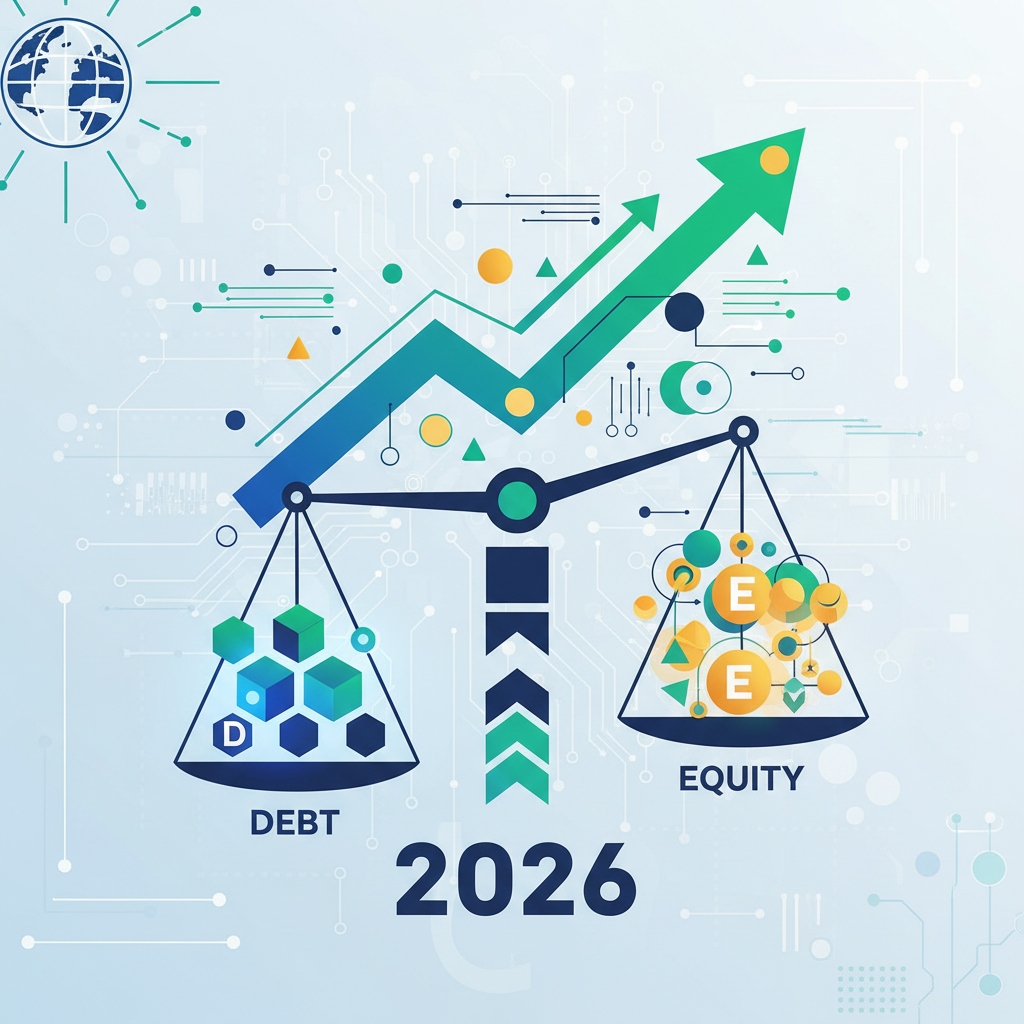
Analyzing Capital Structure: The Mix of Debt and Equity for 2026
Understanding a company’s capital structure is crucial for investors, creditors, and even the company itself. The **capital structure**, which represents the proportion of debt and equity used to finance a company’s assets, significantly impacts its risk profile, profitability, and overall financial health. As we look towards 2026, analyzing these structures becomes even more vital in a dynamic and uncertain economic landscape.
Why Capital Structure Matters
The way a company finances its operations has profound implications. Here’s why analyzing the **mix of debt and equity** is so important:
- Risk Management: High debt levels increase financial risk. Companies with substantial debt are more vulnerable to economic downturns and interest rate hikes.
- Profitability: While debt can amplify returns during prosperous times due to its lower cost compared to equity, it can also erode profits when the business faces challenges.
- Flexibility: A balanced **capital structure** provides companies with the flexibility to adapt to changing market conditions and pursue growth opportunities without undue financial strain.
- Valuation: The market often values companies with optimized capital structures more favorably, reflecting investor confidence in their financial stability and growth potential.
Debt Financing: Advantages and Disadvantages
Debt financing involves borrowing money that must be repaid with interest. Here are the key pros and cons:
Advantages:
- Lower Cost of Capital: Interest payments on debt are often tax-deductible, making debt cheaper than equity.
- No Dilution of Ownership: Unlike equity financing, debt does not dilute the ownership stake of existing shareholders.
- Financial Leverage: Debt can amplify returns on equity when the company generates profits exceeding the cost of borrowing.
Disadvantages:
- Fixed Payment Obligations: Debt requires regular interest and principal payments, regardless of the company’s performance.
- Increased Financial Risk: High debt levels can increase the risk of financial distress or bankruptcy, particularly during economic downturns.
- Covenants: Debt agreements often include covenants that restrict the company’s operational and financial flexibility.
Equity Financing: Advantages and Disadvantages
Equity financing involves selling ownership shares in the company. Here’s a look at the pros and cons:
Advantages:
- No Repayment Obligations: Equity does not require repayment, providing the company with greater financial flexibility.
- Improved Creditworthiness: A higher equity base can improve the company’s credit rating and access to future debt financing.
- Attracts Investors: Equity offerings can attract investors who believe in the company’s long-term growth potential.
Disadvantages:
- Dilution of Ownership: Equity financing dilutes the ownership stake of existing shareholders.
- Higher Cost of Capital: Equity typically has a higher cost than debt due to the higher risk premium demanded by investors.
- Loss of Control: Equity financing can lead to a loss of control for management, particularly if a significant portion of the company is sold.
Factors Influencing Capital Structure Decisions in 2026
Several factors will influence **capital structure** decisions as we approach 2026:
- Interest Rate Environment: Fluctuations in interest rates will impact the cost of debt and influence the attractiveness of debt financing.
- Economic Outlook: Economic growth or recession will affect companies’ ability to generate profits and service their debt obligations.
- Industry Dynamics: Different industries have different capital structure norms, reflecting their risk profiles and growth opportunities.
- Regulatory Environment: Changes in regulations, such as tax laws or capital requirements, can impact the attractiveness of debt and equity financing.
- Investor Sentiment: Market conditions and investor appetite for risk will influence companies’ ability to raise equity and access debt markets.
Analyzing Industry-Specific Trends
Understanding industry-specific trends is crucial for assessing the appropriateness of a company’s **capital structure**. For example:
- Technology Companies: Often rely more on equity financing to fund innovation and growth, given the inherent risk associated with new technologies.
- Utilities: Typically have higher debt levels due to their stable cash flows and regulated business models.
- Real Estate: Commonly uses significant debt financing to acquire and develop properties, leveraging the asset-backed nature of their business.
Key Metrics for Evaluating Capital Structure
Several key metrics can help investors and analysts evaluate a company’s **capital structure**:
- Debt-to-Equity Ratio: Measures the proportion of debt to equity used to finance the company’s assets. A higher ratio indicates greater financial risk.
- Debt-to-Assets Ratio: Indicates the percentage of a company’s assets that are financed by debt.
- Interest Coverage Ratio: Measures the company’s ability to cover its interest expense with its earnings. A higher ratio suggests a greater ability to service debt.
- Equity Multiplier: Measures the extent to which a company uses debt to finance its assets.
Beyond the Ratios: Qualitative Considerations
While financial ratios provide valuable insights, it’s also important to consider qualitative factors when analyzing a **capital structure**:
- Management’s Philosophy: How does management view risk and leverage? Are they conservative or aggressive in their financing decisions?
- Competitive Landscape: How does the company’s capital structure compare to its competitors? Is it a competitive advantage or a disadvantage?
- Growth Opportunities: Does the company have significant growth opportunities that justify taking on more debt?
- Access to Capital Markets: How easily can the company access debt and equity markets when needed?
Looking Ahead to 2026: Strategies for Optimizing Capital Structure
In the face of ongoing economic uncertainty, companies should consider the following strategies to optimize their **capital structure**:
- Diversify Funding Sources: Explore alternative funding sources beyond traditional debt and equity, such as private credit or venture capital.
- Manage Debt Maturity Profile: Stagger debt maturities to reduce refinancing risk.
- Strengthen Balance Sheet: Focus on generating strong cash flows and building a robust equity base.
- Maintain Financial Flexibility: Ensure the company has sufficient liquidity and access to capital to weather unexpected challenges.
Analyzing the **mix of debt and equity** and adapting capital structure strategies is an ongoing process. Continuous monitoring of key financial metrics, industry trends, and the broader economic environment is essential for making informed decisions.
Conclusion
As we move towards 2026, a thorough understanding of **capital structure** and its implications is critical for businesses and investors alike. By carefully evaluating the balance between debt and equity, companies can mitigate risk, enhance profitability, and position themselves for long-term success. Investors can leverage this knowledge to make informed decisions and identify companies with strong financial foundations.
The **capital structure** is a critical piece of the financial puzzle, and understanding its intricacies is more important than ever in today’s rapidly changing economic landscape.
Action Call: Want to dive deeper into analyzing the capital structure of companies in your portfolio? Subscribe to our newsletter for in-depth financial analysis, industry insights, and actionable investment strategies. Start making smarter financial decisions today!